Category: fashion

  • How to Tailor Cheap Clothes to Look Expensive: The Complete Guide to Elevated Style on a Budget

    How to Tailor Cheap Clothes to Look Expensive: The Complete Guide to Elevated Style on a Budget

    Most people assume that expensive-looking style comes from a designer label or a luxury price tag. In reality, the difference between a garment that looks cheap and one that looks bespoke often comes down to a single factor: fit. A $20 thrift store blazer that has been tailored to skim your shoulders and nip your waist will almost always look more expensive than a $500 off-the-rack jacket that pulls across the back or drowns your frame. Learning how to tailor cheap clothes to look expensive is not about spending more money. It is about training your eye to see potential, understanding which alterations create the biggest visual impact, and mastering a few simple techniques that turn mass-produced garments into pieces that feel custom-made.

    Tailoring is the great equalizer in fashion. It allows you to take a garment that was designed for an average body and reshape it for your body. The result is clothing that hangs correctly, moves with you, and creates clean, uninterrupted lines. Those clean lines are what our brains read as expensive. When a shirt billows at the waist or trousers bunch at the ankle, the eye perceives a lack of intentionality. When a sleeve ends at exactly the right spot on your wrist and the shoulder seam sits precisely on the edge of your shoulder, the garment looks deliberate, polished, and high-end. This guide will walk you through the most effective tailoring strategies, from choosing the right cheap clothes to making smart DIY alterations and knowing when to invest in a professional tailor.

    Why Fit Is the Real Luxury

    Before picking up a needle or visiting a tailor, it helps to understand why fit matters so much. Luxury clothing often looks expensive because it is constructed with precision. Seams are placed strategically, darts are sewn to follow the body’s curves, and hems are finished at flattering lengths. Cheap clothing, on the other hand, is usually made quickly and sized generously to fit as many body types as possible. This means the garments are often boxy, overly long, or loose in areas where they should be fitted.

    When you tailor a cheap garment, you are essentially adding the precision that was missing from the original construction. You are not changing the fact that the fabric may be polyester or that the stitching may be basic. You are changing the silhouette, and silhouette is the first thing anyone notices from a distance. A crisp shoulder line, a defined waist, and a hem that grazes the top of the shoe all signal that the garment belongs to you. That sense of belonging is what reads as expensive.

    Another reason fit is so powerful is that it draws attention away from the fabric. A simple cotton shirt that fits beautifully will look more refined than a silk shirt that is too big. The human eye is naturally attracted to proportion and balance. When a garment follows the body’s natural lines without pulling or sagging, the entire outfit appears more harmonious. This is why a well-tailored budget piece can easily pass for something much more costly.

    How to Choose Cheap Clothes Worth Tailoring

    Not every cheap garment is worth altering. Some pieces are too poorly constructed or too difficult to reshape. The key is to shop with a tailor’s eye. Before buying an inexpensive item, ask yourself whether the bones of the garment are good enough to justify the cost of alterations. In many cases, a $10 thrift find plus $30 of tailoring will look better than a $150 mass-market piece. But if the garment has major structural issues, no amount of tailoring will save it.

    Fabric Checks That Matter

    The first thing to examine is the fabric. You do not need natural fibers to look expensive, but the fabric should have some weight and drape. Thin, flimsy fabrics often pucker when altered and do not hold a new shape well. Look for fabrics that feel substantial but not stiff. A polyester blend with a matte finish can look surprisingly expensive if it hangs well. Avoid shiny, overly synthetic fabrics that wrinkle easily and catch the light in an unflattering way. Also check the fabric for pilling, fading, or stretching before you buy.

    The Shoulder Test

    The single most important fit point in jackets, blazers, and structured tops is the shoulder. Shoulder alterations are difficult, expensive, and often unsuccessful. When shopping for cheap clothes to tailor, make sure the shoulder seams sit exactly at the edge of your shoulder or slightly inside. If the shoulders are too wide or too narrow, the garment will never look right, no matter how much you alter the body. If you find a cheap blazer with perfect shoulders but a boxy body, that is an excellent tailoring candidate.

    Seams, Linings, and Construction

    Check the inside of the garment. Look for generous seam allowances, which make alterations easier. Many cheap garments have narrow or overlocked seams that leave little room for letting out. If you plan to buy a piece that is slightly tight, make sure there is at least half an inch of extra fabric at the seams. Also look at the lining. A fully lined blazer or dress often looks more expensive and is easier to alter cleanly. If the lining is shredded or poorly attached, it may add to your tailoring bill.

    DIY Tailoring Techniques You Can Learn at Home

    You do not need to be a professional seamstress to make meaningful improvements to cheap clothes. A few basic hand-sewing and machine-sewing skills can transform the way your clothes fit. Start with simple alterations that are hard to ruin, such as hemming, taking in side seams, and replacing buttons. These small changes often create a dramatic visual upgrade with very little risk.

    Hemming Pants and Skirts to the Perfect Length

    One of the fastest ways to make cheap clothes look expensive is to fix the hem. Trousers that drag on the ground look sloppy, while pants that are too short can look juvenile. For a modern, polished look, the hem of full-length trousers should lightly graze the top of your shoe with a slight break at the front. For cropped pants, the hem should hit just above the ankle bone. Skirts often look most flattering when they end at the slimmest part of your leg, usually just above or just below the knee.

    To hem pants, turn the garment inside out, fold the fabric to the desired length, pin it, and sew a straight stitch close to the edge. If you are working with denim, you can maintain the original hem by cutting the excess fabric and reattaching the original hem, a technique known as a jeans hem. For delicate fabrics, use a blind hem stitch or fabric tape for a no-sew finish.

    Taking In the Waistband for a Defined Silhouette

    Many cheap pants and skirts fit well through the hips but gap at the waist. This is a common problem that makes clothing look ill-fitting and cheap. You can fix a gaping waistband at home by adding small darts at the back of the waistband or by taking in the side seams. For a quick fix on pants, sew two small darts on the inside of the back waistband, spacing them evenly on either side of the center back. This pulls the waistband closer to your body without altering the hips.

    If the waistband is too large all the way around, you may need to open the side seams and remove some fabric. This is slightly more advanced, but it is still doable with a seam ripper and a sewing machine. Always try the garment on inside out and pin the new seam line while looking in a mirror. The goal is to create a smooth line from the waist to the hip without puckering.

    Tapering Sleeves and Legs for a Cleaner Line

    Cheap shirts and trousers are often cut with wide, straight sleeves and legs to accommodate a range of body shapes. This creates a billowy, unstructured look that can appear inexpensive. Tapering is the process of narrowing the sleeve or leg gradually from the upper arm or thigh down to the wrist or ankle. This simple alteration creates a sharper, more tailored silhouette.

    To taper a shirt sleeve, turn the shirt inside out and pin the sleeve from the underarm seam down to the cuff. The new seam should follow the natural curve of your arm without being too tight. Sew along the pinned line and trim the excess fabric. For trousers, taper the inseam from the knee down to the hem. This works especially well on straight-leg or wide-leg pants that feel too baggy. A tapered leg instantly makes the garment look more intentional and modern.

    Adding Darts for Shape

    Darts are folded and sewn wedges of fabric that create shape in a garment. They are commonly found in tailored blazers, dresses, and button-up shirts. If a cheap shirt is boxy and lacks shape, you can add two vertical darts in the back to define the waist. This is one of the most effective alterations for making a men’s or women’s shirt look custom-made.

    To add back darts, try the shirt on inside out and pinch the excess fabric at the back, centered on your natural waist. Pin the folds so they are even on both sides. Sew from the top of the fold down to the hem, tapering to a point at the waist. Press the darts flat. The result is a softly tailored shape that follows the curve of your spine and creates a much more flattering fit.

    When to Visit a Professional Tailor

    While many small alterations can be done at home, some changes require the skill of a professional. A good tailor can reshape a garment in ways that would be very difficult for a beginner to replicate. If you have a cheap piece with excellent potential but a tricky fit issue, the cost of professional tailoring is often worth it.

    Jacket Waist Suppression

    Blazers and suit jackets often fit well in the shoulders but look boxy through the torso. A tailor can take in the jacket at the side seams and sometimes alter the back seams to create a suppressed waist. This is called waist suppression and it is one of the most transformative alterations you can make. A blazer that follows the natural curve of your body looks dramatically more expensive than one that hangs straight down from the shoulders.

    Shortening Blazer Sleeves and Jacket Length

    Sleeve length is another detail that separates cheap-looking clothes from tailored ones. On a blazer, the sleeve should end just above the base of the thumb, allowing about a quarter inch of shirt cuff to show. Shortening sleeves from the cuff is relatively simple, but if the jacket has functioning buttonholes, the alteration becomes more complex and expensive. The length of a blazer should cover your rear and end around the middle of your hand when your arms are at your sides. A professional can shorten a jacket body slightly, but this alteration should be approached with caution because it can throw off the placement of pockets and buttons.

    Professional Trouser Tapering and Hemming

    If you have a pair of trousers that you love but the fit is too loose through the leg, a tailor can taper both the inseam and outseam for a balanced result. They can also hem the trousers with a blind stitch or a cuffed hem, depending on the style. A professional finish is worth the cost because hems and tapers on trousers need to be symmetrical and pressed perfectly to hang correctly.

    Small Hardware Changes That Instantly Elevate

    Often, the difference between cheap and expensive is in the details. Mass-produced garments are frequently finished with plastic buttons, thin zippers, and flimsy belt loops. Upgrading these small elements can have an outsized impact on how the piece looks and feels.

    Replace Buttons

    Plastic buttons are one of the biggest giveaways of a cheap garment. Replacing them with buttons made from natural materials such as shell, horn, wood, or metal instantly makes a blazer, coat, or shirt look more expensive. This is one of the easiest and least expensive upgrades you can make. Choose buttons that are slightly heavier and have a matte or lightly polished finish. Sew them on securely with matching thread.

    Upgrade Zippers and Closures

    If a zipper feels flimsy or catches when you use it, consider replacing it with a sturdier metal zipper. This is a slightly more advanced DIY project, but a tailor can do it quickly. Pay attention to hooks, eyes, and snaps as well. A sturdy closure that lies flat and functions smoothly makes a garment feel more substantial.

    Add or Replace Belt Loops and Hem Tape

    Belt loops that are too narrow or too loose can make trousers look poorly made. You can replace them with wider, more structured loops that hold a belt securely. Inside the hems of jackets, skirts, and pants, a strip of hem tape or ribbon adds a hidden touch of polish. It also helps the hem hold its shape and prevents stretching over time.

    Make Tailored Pieces Look Expensive Every Day

    Once you have tailored your cheap clothes to fit well, you need to maintain them properly. Even the best tailoring will not look expensive if the garment is wrinkled, pilled, or covered in lint. Developing a simple care routine is essential to preserving that elevated look.

    • Steam instead of ironing when possible. Steaming removes wrinkles and refreshes the fabric without creating shine or flattening the nap.
    • Use a fabric shaver to remove pills. Pilling makes any fabric look worn and cheap. A quick pass with a fabric shaver restores a smooth surface.
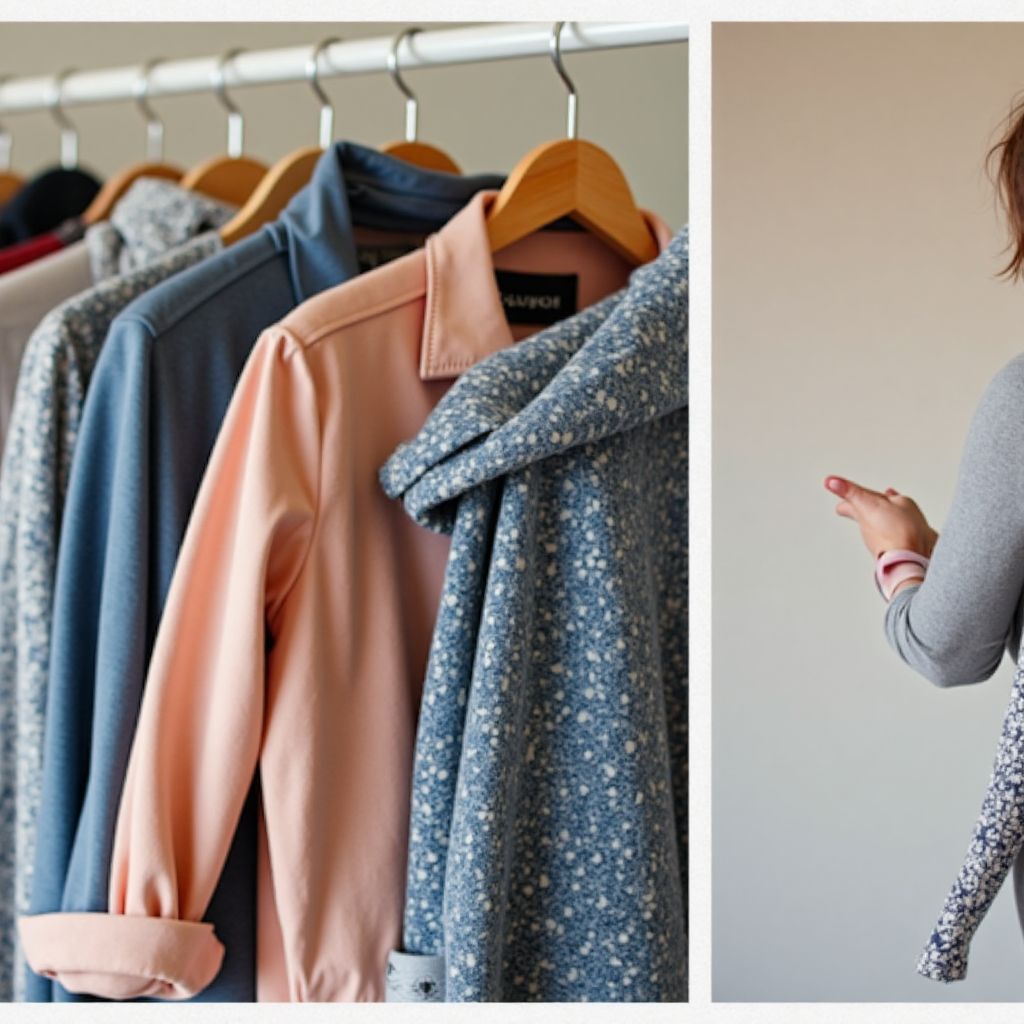
    • Store tailored garments on proper hangers. Use wooden or padded hangers for jackets and blazers to maintain shoulder shape. Fold knits instead of hanging them.
    • Wash less often and use gentle cycles. Frequent washing breaks down fibers and causes fading. Spot clean when possible and wash in cold water with mild detergent.
    • Press seams and hems after washing. A crisp crease or seam line makes clothing look crisp and intentional.

    These small habits protect your tailoring investment and ensure that your clothes continue to look sharp wear after wear. A well-maintained budget piece will always look more expensive than a neglected designer item.

    Common Tailoring Mistakes to Avoid

    Tailoring can transform a garment, but it can also ruin one if done poorly. Avoid these common mistakes to keep your cheap clothes looking expensive rather than home-altered.

    • Taking in too much fabric. Trying to make a garment two sizes smaller often distorts the pockets, seams, and proportions. Buy clothes that fit reasonably well and tailor for refinement, not drastic resizing.
    • Ignoring the shoulder fit. Shoulder alterations are rarely worth it. If the shoulders do not fit, walk away, no matter how cheap the garment is.
    • Using the wrong thread or stitch length. Visible thick thread or uneven stitches immediately signal a DIY job. Match the thread color and use a stitch length appropriate for the fabric.
    • Forgetting to press as you sew. Pressing seams, darts, and hems as you work creates a professional finish. Without pressing, the fabric will not lie flat.
    • Over-tailoring trendy pieces. Spend your tailoring budget on timeless, versatile pieces rather than fast trends. A tailored classic will pay off for years.

    The goal is to make the garment look as though it was made for you, not as though it was altered. Precision and restraint are your best tools.

    Conclusion: The Tailored Mindset

    Learning how to tailor cheap clothes to look expensive is one of the most valuable style skills you can develop. It shifts your focus from chasing labels to understanding what actually makes clothing look good: proportion, fit, and intentional detail. When you know how to assess a garment’s potential and reshape it to flatter your body, you can build a wardrobe that looks far more expensive than its price tag suggests.

    Start small. Choose one inexpensive piece in your closet that has good bones but a less-than-perfect fit. Hem it, taper it, or replace the buttons. Notice how the garment changes when it follows your body instead of fighting it. Over time, these small adjustments become a habit, and you will begin to see cheap clothes not as finished products, but as blank canvases waiting for your personal touch.

    Ultimately, expensive-looking style is not about spending more. It is about caring more. It is about taking the time to make your clothes work for you, paying attention to the details, and wearing everything with the confidence that comes from knowing you look exactly right. That is a luxury no price tag can buy.
  • The Case for Buying Fewer, Better Clothes

    The Case for Buying Fewer, Better Clothes

    If you have ever stood in front of a closet bursting with garments and still felt like you had nothing to wear, you are not alone. For decades, the fashion industry has trained us to chase newness, discounts, and volume. We have been led to believe that a bigger wardrobe equals more choice, more confidence, and more style. But in reality, the opposite is often true. The case for buying fewer, better clothes is not about deprivation or sacrificing self-expression. It is about shifting from a mindset of accumulation to one of intention, quality, and long-term satisfaction.

    This approach challenges the dominant fast fashion model that encourages rapid turnover and disposable clothing. It asks you to consider what your clothes are made of, who made them, how long they will last, and whether they truly reflect the person you want to present to the world. Buying fewer, better clothes is a practical response to overstuffed closets, dwindling budgets wasted on impulse purchases, and a growing awareness of the environmental and human toll of cheap fashion. It is a choice that benefits your wallet, your wardrobe, and the planet.

    In this article, we will explore why this shift matters, what “better” actually means, how to build a leaner and more satisfying wardrobe, and how to overcome the common objections that keep people stuck in the cycle of overconsumption. By the end, you may find that owning less is not a compromise at all, but rather the most liberating style decision you can make.

    The True Cost of Fast Fashion

    Fast fashion has democratised clothing in some ways, making runway-inspired styles available at shockingly low prices. But those low prices hide enormous costs that are paid elsewhere. Understanding these hidden costs is essential because it reveals that cheap clothing is not actually cheap. The price tag is simply a fraction of the real bill.

    Environmental Toll

    The fashion industry is one of the most resource-intensive industries on Earth. Producing a single cotton t-shirt can require thousands of litres of water, while synthetic fabrics such as polyester are derived from fossil fuels and shed microplastics into waterways with every wash. Cheap garments are often worn only a handful of times before being discarded, and many end up in landfills or incinerators because they are too poorly made to be repaired or resold. When you buy fewer, better clothes, you reduce demand for this relentless production cycle and lower your personal environmental footprint.

    Human Cost

    Behind every impossibly cheap garment is a supply chain that relies on squeezing costs at every stage. This frequently means low wages, unsafe working conditions, and excessive working hours for garment workers in countries with weak labour protections. The pressure to produce clothing quickly and cheaply leads to corners being cut, both in terms of worker welfare and product quality. When we choose well-made garments from brands that prioritise transparency and fair labour practices, we vote with our money for a more ethical industry.

    The Hidden Financial Cost

    Fast fashion also has a hidden financial cost that is easy to overlook. A wardrobe built on constant small purchases may feel affordable in the moment, but the cumulative spending adds up quickly. Consider the shopper who buys five inexpensive tops each season because they lose their shape, fade, or simply fall apart after a few washes. Replacing those items twice a year can cost more over three years than buying one or two high-quality tops that remain beautiful and functional for a decade. The cheap item is often the most expensive choice in the long run.

    What “Better” Actually Means

    Buying better clothes does not mean chasing luxury labels or spending exorbitant amounts of money. It means understanding the qualities that make a garment worth owning and keeping. A better garment is one that looks good, feels good, lasts long, and can be worn across many seasons and occasions. To identify such pieces, you need to pay attention to three key areas: fabric, construction, and design.

    Fabric and Material Quality

    The foundation of any good garment is its fabric. Natural fibres such as organic cotton, linen, merino wool, cashmere, silk, and hemp often outperform synthetic alternatives in breathability, comfort, and durability. That said, not all natural fibres are equal, and not all synthetics are bad. High-quality synthetic fabrics can add stretch, structure, or weather resistance when blended thoughtfully. The key is to look for fabrics that hold their shape, resist pilling, feel pleasant against the skin, and do not require excessive special care. Reading care labels and fibre content before buying is one of the simplest habits you can develop.

    Construction and Craftsmanship

    Even the finest fabric will fail if the garment is poorly constructed. Look for straight, even stitching with no loose threads. Check that seams lie flat, buttons are securely attached, and patterns match at the seams. A well-made shirt will have reinforced stress points, a lining where appropriate, and hems that are finished cleanly. These details are often invisible at first glance, but they determine whether a garment will survive repeated wear and washing. Better clothes are built to be repaired, not replaced.

    Design Longevity and Timelessness

    A “better” wardrobe also favours design longevity over trend chasing. That does not mean everything you own must be beige and boring. It means choosing pieces with proportions, colours, and silhouettes that feel authentic to you over multiple years, rather than items that will look dated in six months. Timeless design often includes clean lines, versatile colour palettes, and classic details that transcend seasonal fads. When a garment is well designed, it becomes a reliable foundation for your personal style rather than a fleeting novelty.

    Why Owning Less Can Transform Your Wardrobe

    The benefits of buying fewer, better clothes extend far beyond durability. Owning less can fundamentally change your relationship with your wardrobe and your daily experience of getting dressed. It reduces stress, sharpens your personal style, and makes caring for your clothes easier and more enjoyable.

    Reduced Decision Fatigue

    Decision fatigue is a real phenomenon, and it often begins the moment you open your closet in the morning. When you have too many options, even small choices can feel overwhelming. A pared-back wardrobe of well-loved, well-fitting pieces simplifies decision-making because every item works harmoniously with the others. You spend less mental energy wondering what to wear and more energy on the things that actually matter in your day.

    More Personal Style, Not Less

    Paradoxically, owning fewer clothes can make you more stylish. When you are not distracted by a sea of mediocre options, you become more attuned to what truly suits your body, your colouring, and your lifestyle. You begin to notice the shapes and fabrics that make you feel confident, and you stop settling for items that are “good enough” simply because they were cheap or trendy. A smaller wardrobe of intentional pieces projects a clearer, more consistent personal style than a chaotic closet full of random purchases.

    Easier Maintenance and Care

    When your wardrobe is smaller and made of better materials, caring for it becomes a ritual rather than a chore. You have fewer items to wash, fold, and organise, which means you can afford to give each piece the attention it deserves. Hand washing a fine wool sweater or storing a silk blouse properly is manageable when you own five treasured pieces, but nearly impossible when you own fifty. Better care extends the life of your clothes, creating a positive cycle of fewer replacements and greater satisfaction.

    The Personal Finance Case for a Leaner Wardrobe

    For many people, the idea of buying better clothes immediately raises concerns about cost. A high-quality coat or pair of boots can indeed carry a higher upfront price tag. But when you zoom out and look at the economics of clothing over time, the financial case for fewer, better pieces becomes compelling.

    Cost-Per-Wear: A Smarter Metric

    The most useful way to evaluate a clothing purchase is not the price tag, but the cost per wear. To calculate cost per wear, divide the total price of an item by the number of times you expect to wear it over its lifetime.

    • A $20 t-shirt worn 5 times before losing its shape costs $4 per wear.
    • A $60 t-shirt made from high-quality organic cotton worn 60 times over three years costs $1 per wear.
    • A $200 pair of well-constructed jeans worn 200 times over five years costs $1 per wear.
    • A $50 pair of low-quality jeans worn 15 times before the fabric wears thin costs $3.33 per wear.

    When you measure clothing this way, the “expensive” item often turns out to be the bargain. Better clothes last longer and feel better throughout their lifespan, making the investment worthwhile. You also avoid the repeated time and money spent replacing cheap items, which frees up your budget for more meaningful purchases.

    Fewer Impulse Purchases

    Adopting a fewer, better mindset naturally curbs impulse spending. When you commit to only buying items that meet a high standard, you become more selective. You pause before purchasing, ask yourself whether the item truly fills a gap, and evaluate its quality and versatility. This deliberate approach reduces the number of garments that end up unworn with tags still attached. Over time, those saved impulse purchases add up to significant savings, which can be redirected toward a smaller number of high-quality pieces or other life priorities.

    Higher Resale Value

    Quality garments also tend to retain value better than fast fashion. If you decide to part with a well-made piece, you may be able to resell it through second-hand platforms or consignment shops. Fast fashion items, by contrast, often have little to no resale value because they are abundant and degrade quickly. The secondary market for quality clothing provides a partial return on your investment and keeps useful garments in circulation rather than in landfill.

    How to Transition to a Fewer, Better Wardrobe

    Moving from a high-volume, low-quality wardrobe to a curated collection of better pieces does not happen overnight. It is a gradual process that requires self-awareness, patience, and a willingness to change shopping habits. Here is a practical roadmap to guide your transition.

    Audit Your Current Closet

    Start by taking everything out of your closet and assessing each item honestly. Ask yourself whether the garment fits well, flatters you, is in good condition, and aligns with your current lifestyle. Separate items into categories: keep, donate, repair, and sell. This process can be emotional, but it is also clarifying. You will likely discover that you already own more than enough clothing and that many pieces have never earned their place in your wardrobe.

    Define Your Uniform

    Think about the outfits you reach for again and again. What do they have in common? Perhaps you love structured blazers, well-fitted denim, simple knits, or comfortable leather shoes. Identifying your personal uniform helps you understand what to invest in and what to avoid. Your uniform should reflect your daily realities, not an aspirational fantasy. If you work from home, investing in a dozen tailored suits makes little sense. If you live in a cold climate, quality outerwear and warm layers should take priority.

    Set a Buying Pause or Budget

    A temporary buying pause can be a powerful way to reset your shopping habits. Choose a period, such as 30 or 90 days, during which you do not buy any new clothing. This pause forces you to use what you already own and reveals how little you actually need. Alternatively, set a strict clothing budget that allows for intentional purchases while preventing impulse spending. The goal is not to eliminate joy, but to create space for thoughtful decisions.

    Research Before You Buy

    When you are ready to add a new piece, do your research. Read product descriptions carefully, check fibre content, examine photos of details, and seek out reviews from other customers. Look for information about the brand’s manufacturing practices and materials. If possible, handle the garment in person to assess its weight, stitching, and drape. Some questions to ask before buying include:

    • Will this item work with at least three existing pieces in my wardrobe?
    • Is the fabric durable and comfortable enough for regular wear?
    • Can this garment be repaired if it gets damaged?
    • Does the brand provide clear information about where and how the item was made?
    • Would I buy this if it were not on sale?

    Care and Repair

    Owning better clothes means caring for them properly. Learn basic clothing care skills such as washing on gentle cycles, air drying, and storing items correctly. Invest in a few quality tools like a fabric shaver, a sewing kit, and a good iron or steamer. When a button falls off or a seam comes undone, repair it instead of discarding the garment. Many cities also have tailors and cobblers who can alter, reinforce, or resole items, extending their life by years. Caring for your clothes is an act of respect for the resources and labour that went into making them.

    Overcoming Common Obstacles

    Despite the clear benefits, many people hesitate to embrace a fewer, better approach to clothing. Their concerns are valid, but they can often be addressed with a shift in perspective and practical strategies.

    “I Can’t Afford Quality Clothes.”

    The upfront cost of quality clothing can feel daunting, especially if you are used to fast fashion prices. However, you do not need to replace your entire wardrobe at once. Start with the items you wear most frequently, such as a good pair of shoes, a versatile coat, or a well-made pair of jeans. Look for sales, second-hand stores, and online resale platforms where quality pieces are available at lower prices. Remember that buying fewer items overall frees up money for the pieces that truly matter. Over time, the cost per wear of quality items makes them the more economical choice.

    “I Like Variety.”

    Desiring variety is natural, but variety does not have to mean owning hundreds of items. You can create variety through accessories, layering, and styling rather than through a constant influx of new garments. A small collection of high-quality basics can be combined in numerous ways to create different looks. Borrowing or renting clothes for special occasions is another way to enjoy novelty without permanently expanding your wardrobe. True style is not about having more options; it is about knowing how to use the options you have.

    “My Size Changes.”

    Many people worry that investing in better clothes is risky if their weight fluctuates. While this is a legitimate concern, it does not mean you must settle for disposable clothing. Choose high-quality pieces with forgiving silhouettes, adjustable details, or fabrics with some natural stretch. A good tailor can also alter garments as your body changes, within reason. Investing in fewer, well-fitting pieces and maintaining them well means you are more likely to have clothes that actually fit your current body, rather than a closet full of items that fit “someday.”

    Conclusion

    The case for buying fewer, better clothes is not merely about fashion. It is about rejecting a culture of overconsumption that leaves us with cluttered closets, depleted bank accounts, and a damaged planet. It is about reclaiming the pleasure of getting dressed, knowing that every piece you own was chosen with care and will serve you well for years to come. It is a quiet but powerful act of resistance against an industry that profits from making us feel perpetually unsatisfied.

    Building a wardrobe of fewer, better clothes takes time, intention, and a willingness to change deeply ingrained shopping habits. But the rewards are immediate and lasting. You will spend less time agonising over what to wear and more time living your life. You will save money in the long run and reduce your environmental impact. Most importantly, you will develop a personal style that feels genuinely yours, rooted not in trends or status, but in quality, fit, and self-knowledge.

    So the next time you are tempted by a flash sale or a pile of cheap, trend-driven pieces, pause and ask yourself: would I rather have ten things I merely tolerate, or five things I truly love? The answer to that question is the beginning of a smarter, more satisfying way to dress.

  • 2025 Color Trends and How to Wear Them

    2025 Color Trends and How to Wear Them

    Color is the first language of fashion. Before anyone notices the cut of your jacket or the silhouette of your dress, they see the hue you’ve chosen to wrap yourself in. As we step into 2025, the fashion world is embracing a palette that feels both grounding and adventurous—a reflection of a time when we crave comfort, connection, and a bold sense of self-expression. The 2025 color trends are not about one single “it” color; they are a rich, layered story that includes warm neutrals, deep twilight blues, soft pastels, and vivid bursts of optimism. Learning how to wear these colors is about more than following a chart—it is about understanding how to make each shade work for your personal style, your skin tone, and your everyday life. In this guide, we will break down the most important 2025 color trends, explain why they matter, and give you practical, stylish ways to incorporate them into your wardrobe starting today.

    Mocha Mousse: The Grounding Neutral

    Pantone named Mocha Mousse its Color of the Year for 2025, and it is easy to see why. This warm, soft brown—reminiscent of whipped cocoa, smooth suede, and rich coffee—strikes a perfect balance between luxury and comfort. After years of stark minimalism and then dopamine-bright dressing, Mocha Mousse feels like a deep exhale. It is a neutral that flatters a wide range of skin tones, works in every season, and pairs effortlessly with both bold and muted colors. Unlike harsh black or clinical beige, Mocha Mousse has an inherent softness that makes outfits feel inviting and sophisticated at the same time.

    Why Mocha Mousse Works for Everyone

    One of the most compelling reasons to embrace Mocha Mousse is its versatility. The color has a medium depth that neither washes out fair skin nor disappears against deep skin. It can read as a warm brown, a taupe, or even a subtle mauve depending on the fabric and lighting. This adaptability means you can wear Mocha Mousse as a monochromatic look, a base neutral, or a statement piece. It also pairs beautifully with denim, camel, cream, forest green, and dusty pink, making it an easy addition to a capsule wardrobe.

    How to Wear Mocha Mousse

    To adopt Mocha Mousse into your daily style, start with one high-quality piece. A tailored wool coat in this shade instantly elevates any outfit, from jeans and a white tee to a slip dress. For a softer entry point, try a chunky knit sweater or a pair of wide-leg trousers in Mocha Mousse. These items work as neutrals but feel far more current than basic black or grey. For a head-to-toe look, mix textures—think a suede Mocha Mousse skirt with a silk blouse in a slightly lighter or darker tone. Add gold jewelry and a cream handbag to keep the look from feeling flat. Mocha Mousse also shines in accessories: a leather belt, ankle boots, or a structured tote in this hue can tie an entire outfit together without overwhelming it.

    Best Color Combinations for Mocha Mousse

    • Mocha Mousse + Cream: A soft, timeless pairing that feels elegant and airy.
    • Mocha Mousse + Forest Green: Earthy and rich, perfect for autumn and winter.
    • Mocha Mousse + Dusty Pink: A romantic, slightly retro combination.
    • Mocha Mousse + Bright Orange: For a bold, fashion-forward contrast.
    • Mocha Mousse + Denim Blue: Casual, effortless, and universally flattering.

    Future Dusk: The Mysterious Twilight Blue-Purple

    While Pantone chose a warm brown, the trend forecasting agency WGSN and Coloro declared Future Dusk the color of 2025. This deep, moody shade sits somewhere between navy blue and violet, like the sky just after sunset when the last light fades into night. Future Dusk feels both futuristic and nostalgic—it has the seriousness of a navy suit but the dreaminess of a cosmic nebula. It is a color that encourages introspection and creativity, and it works surprisingly well as a neutral alternative to black or grey.

    Styling Future Dusk for Day and Night

    Future Dusk is incredibly versatile because it can read as a professional dark blue in office lighting and shift toward a rich purple in evening light. For daytime, a Future Dusk blazer or tailored trousers paired with a white or pale blue shirt looks polished and modern. For evening, a silk slip dress or velvet top in this color is quietly dramatic. Because Future Dusk is dark enough to anchor an outfit, you can treat it as a base and layer brighter colors on top. A Future Dusk coat over a bright yellow or coral sweater creates a stunning contrast that is still wearable.

    How to Wear Future Dusk Without Feeling Dull

    The key to wearing Future Dusk is to play with texture and sheen. Matte fabrics like wool and cotton make the color feel understated and professional, while satin, velvet, and leather give it a rich, almost magical quality. Add metallic accessories—silver works especially well with the blue-purple undertone—to bring out the cosmic feeling. For a more casual look, pair Future Dusk jeans or a midi skirt with a simple grey marl tee and white sneakers. The color will lift the outfit beyond basic without demanding too much attention.

    Digital Lavender: The Soothing Pastel That Refuses to Fade

    Digital Lavender has been a trend for a few seasons, and it continues to be a major force in 2025. This soft, cool purple with grey undertones is calming, gender-neutral, and surprisingly easy to wear. Unlike hot pink or bright violet, Digital Lavender feels serene and slightly futuristic. It works beautifully in spring and summer, but it can also be layered into fall outfits when paired with darker neutrals. The color is popular in both fashion and home décor because it promotes a sense of calm and balance—something everyone needs more of in 2025.

    Wearing Digital Lavender in Real Life

    If you are new to pastels, Digital Lavender is an excellent starting point because it has enough grey to mute its sweetness. A Digital Lavender cardigan or oversized shirt looks chic with white jeans and tan sandals. For a more structured look, try a Digital Lavender blazer with grey trousers—the combo is office-appropriate but still fresh. Monochrome Digital Lavender outfits, such as a knit sweater with matching trousers, feel modern and intentional. To keep the look from becoming too saccharine, add black or dark brown accessories, like a leather belt, boots, or a structured handbag.

    Digital Lavender Color Pairings

    • Digital Lavender + Charcoal Grey: Sophisticated and grounded.
    • Digital Lavender + White: Crisp, clean, and perfect for warm weather.
    • Digital Lavender + Chocolate Brown: An unexpected, rich combination that feels very 2025.
    • Digital Lavender + Soft Yellow: A dreamy, pastel pairing for spring.

    Aquatic Awe: The Bold Turquoise-Cyan

    For those who prefer color with energy, Aquatic Awe is one of the most exciting 2025 trends. This vibrant cyan or turquoise blue is inspired by tropical waters and the desire for escape and adventure. It is a statement color that brings instant optimism to any outfit. While bright, it is flattering on many skin tones because the cool undertone brightens the complexion. Aquatic Awe is ideal for vacation wear, summer events, and anyone who wants to inject a dose of playfulness into their wardrobe.

    How to Wear Aquatic Awe Without Overdoing It

    The easiest way to wear Aquatic Awe is as a single statement piece. A flowing midi dress in this shade looks stunning with neutral sandals and a straw bag. A tailored shirt in Aquatic Awe paired with white linen trousers is a crisp, vacation-ready look. If you prefer a more subtle approach, use Aquatic Awe in accessories: a scarf, a pair of earrings, or a crossbody bag can brighten an all-neutral outfit. For a bold monochrome moment, pair Aquatic Awe trousers with a slightly lighter or darker top in the same family—this creates a tonal look that feels cohesive rather than overwhelming.

    Pairing Aquatic Awe with Other Colors

    Aquatic Awe is surprisingly versatile. It pairs beautifully with white and cream for a fresh, nautical feel. With warm browns like Mocha Mousse, it creates a striking balance between cool and warm tones. For a more daring outfit, pair Aquatic Awe with coral or bright orange—the complementary colors make each other pop. Avoid pairing it with too many other brights at once; let Aquatic Awe be the star and keep the rest of the outfit grounded.

    Transcendent Pink: The New Neutral Pink

    Pink has come a long way from its traditionally feminine associations. In 2025, Transcendent Pink—a soft, dusty rose with a hint of beige—is being embraced as a genuine neutral. It is less sugary than bubblegum and more sophisticated than millennial pink. Transcendent Pink works in professional settings, casual wear, and even formal attire. It flatters a wide range of skin tones and pairs with nearly every other color trend on this list.

    How to Style Transcendent Pink

    One of the best ways to wear Transcendent Pink is through tailoring. A well-cut pink blazer or a pair of pink trousers makes a strong style statement while remaining professional. Pair them with white, grey, or Mocha Mousse for a polished look. For a softer, more romantic outfit, choose a flowing pink maxi dress or a silk camisole. Transcendent Pink also works beautifully in knitwear—a pink cashmere sweater can be worn with blue jeans for a casual-chic weekend look. To keep the color from feeling too sweet, add edgy accessories like black leather boots or a chunky silver necklace.

    Transcendent Pink Pairings to Try

    • Transcendent Pink + White: Clean, light, and universally flattering.
    • Transcendent Pink + Mocha Mousse: A warm, elegant combination that feels very 2025.
    • Transcendent Pink + Navy Blue: A classic contrasting duo that works for work or weekend.
    • Transcendent Pink + Red: A bold, high-fashion pairing that turns heads.

    Sunset Coral: The Warm, Energizing Pop

    Sunset Coral is a warm blend of orange and pink that radiates positivity and warmth. In 2025, this color is everywhere—from breezy summer dresses to cozy autumn knits. Unlike neon orange, Sunset Coral is softer and more wearable, with a creamy undertone that makes it flattering on many complexions. It is a color that instantly lifts your mood and your outfit, making it perfect for days when you need a little extra confidence.

    Wearing Sunset Coral in Different Seasons

    In spring and summer, Sunset Coral shines in lightweight fabrics like cotton, linen, and silk. A coral sundress or a pair of coral wide-leg pants feels effortlessly chic with tan sandals and gold jewelry. In fall and winter, bring the color into your wardrobe through chunky sweaters, scarves, or a wool coat. Pair it with brown, cream, or olive green for a warm, seasonal palette. Sunset Coral also works beautifully as a lip or nail color if you want to test the trend without committing to clothing.

    Best Color Combinations for Sunset Coral

    • Sunset Coral + White: Fresh and clean, ideal for warm weather.
    • Sunset Coral + Olive Green: An earthy, sophisticated pairing.
    • Sunset Coral + Denim Blue: Casual, easy, and always stylish.
    • Sunset Coral + Mocha Mousse: A warm-on-warm combination that feels rich and modern.

    Rayflower: The Optimistic Radiant Yellow

    Yellow has been steadily rising in popularity, and in 2025, Rayflower—a bright, sunny yellow with a hint of warmth—is a key trend color. It symbolizes hope, energy, and a forward-looking spirit. While yellow can be intimidating for some, Rayflower is surprisingly wearable because it has a golden undertone rather than a harsh lemon or neon hue. It brightens the face and adds an instant lift to any outfit.

    How to Wear Rayflower

    The easiest way to incorporate Rayflower is through tops and accessories. A yellow blouse or t-shirt instantly brightens a pair of jeans or neutral trousers. A yellow handbag or pair of shoes can act as a cheerful pop against an all-black or all-white outfit. For the bold, a Rayflower midi dress or tailored suit makes a strong fashion statement. To avoid feeling like a highlighter, balance Rayflower with grounding neutrals like navy, grey, or Mocha Mousse. Denim also works exceptionally well with yellow, creating a classic, sunny look.

    Rayflower Pairings to Try

    • Rayflower + Navy Blue: A crisp, nautical combo that is easy to wear.
    • Rayflower + White: Clean and joyful, perfect for summer.
    • Rayflower + Grey: Softens the yellow while keeping the outfit modern.
    • Rayflower + Mocha Mousse: A warm, earthy pairing that feels sophisticated.

    How to Incorporate 2025 Colors Without Overhauling Your Wardrobe

    You do not need to replace your entire closet to embrace the 2025 color trends. The best approach is to integrate these shades slowly, using them to refresh what you already own. Start with a small accessory in one or two trending colors—a scarf, a belt, a pair of socks, or a handbag. Pay attention to how often you reach for those pieces and how they make you feel. If you love a particular color, invest in a higher-quality item like a sweater, blazer, or dress. Remember that trends are tools for self-expression, not rules to follow blindly.

    Another effective strategy is to focus on color combinations that include your existing neutrals. If your wardrobe is heavy in black, white, grey, and navy, almost all the 2025 colors will pair beautifully with one of those bases. For example, a Future Dusk blouse works with black trousers, a Digital Lavender sweater looks great with grey jeans, and a Sunset Coral top pops against white pants. You can also experiment with layering—add a Mocha Mousse coat over a completely neutral outfit, or tie a Rayflower silk scarf around your neck with a navy sweater.

    Finally, consider the season and your lifestyle. If you live in a warm climate, lean into Aquatic Awe, Digital Lavender, and Sunset Coral in breathable fabrics. If you experience four seasons, use Mocha Mousse and Future Dusk as your fall and winter anchors, then transition to the brighter shades in spring. The beauty of the 2025 palette is that it works year-round—you just need to shift the proportions and fabrics.

    Color Pairing Cheat Sheet for 2025

    To make your styling easier, here is a quick reference guide for pairing the key 2025 colors with each other and with neutrals. Use this as a cheat sheet when you are standing in front of your closet.

    • Mocha Mousse + White + Gold Accessories: Timeless, warm, and elegant.
    • Future Dusk + Grey + Silver Accessories: Cool, modern, and professional.
    • Digital Lavender + Charcoal + Black Boots: Soft pastel edge with a city feel.
    • Aquatic Awe + Cream + Tan Sandals: Fresh, tropical, and easy.
    • Transcendent Pink + Navy + White Sneakers: Polished casual with a soft touch.
    • Sunset Coral + Olive Green + Brown Leather: Earthy, warm, and autumnal.
    • Rayflower + Denim Blue + White Shirt: Classic, sunny, and approachable.

    Conclusion

    The 2025 color trends offer something for every personality, skin tone, and style preference. From the grounding warmth of Mocha Mousse and the mysterious depth of Future Dusk to the soft serenity of Digital Lavender and the joyful energy of Rayflower, this year’s palette is all about balance. It invites you to mix calm neutrals with vibrant pops, to experiment with texture and contrast, and to wear color in a way that feels authentic to you. Whether you go all-in with a monochrome look or simply add a trending hue through a scarf or handbag, the key is to have fun and wear each color with confidence. After all, the best trend in 2025 is the one that makes you feel like the most vibrant version of yourself.

  • How to Build a Wardrobe You Actually Wear

    How to Build a Wardrobe You Actually Wear

    Most people do not have a shortage of clothes. If anything, they have the opposite problem: closets stuffed with garments, yet a daily feeling of having nothing to wear. This paradox happens because a wardrobe is rarely built with intention. Instead, it accumulates through impulse purchases, fleeting trends, gifts that miss the mark, and emotional shopping. The result is a closet full of pieces that do not work together, do not fit properly, and do not reflect the life you actually live. Building a wardrobe you actually wear is not about owning more or chasing a minimalist number. It is about creating a system of clothing that supports your daily routine, flatters your body, and expresses your identity without requiring constant effort.

    The process requires honesty, patience, and a shift in mindset. You have to stop asking whether an item is “cute” and start asking whether it earns its place in your real life. A wearable wardrobe is built around repetition, comfort, versatility, and personal style. It is composed of pieces that you reach for again and again because they are reliable, comfortable, and make you feel like yourself. This guide will walk you through a step-by-step method to audit what you own, define what you actually like, fill the gaps strategically, and maintain a closet that works rather than overwhelms.

    1. Understand Why Your Current Wardrobe Is Not Working

    Before you can fix your closet, you need to understand why it feels broken. For many people, the disconnect comes from buying for an imaginary life rather than a real one. You might have a closet full of cocktail dresses, but your weekdays consist of office meetings and school runs. You might own five blazers even though you work from home in casual settings. Those pieces are not inherently bad, but they become dead weight when they do not match your actual schedule. An honest look at how you spend your time is the foundation of a wardrobe you wear.

    Another common issue is that many closets are built around individual items instead of outfits. You purchase a bright printed skirt because it is beautiful, but then you realize you have no top, shoe, or jacket that pairs well with it. The skirt hangs untouched not because you dislike it, but because wearing it requires extra pieces you do not own. A functional wardrobe thinks in combinations, not isolated highlights. When every piece can be worn with at least three other items, the number of possible outfits increases without adding more clothes.

    Emotional clutter also plays a role. Some items remain in your closet because they represent a past version of you, a goal weight, an expensive mistake, or a memory you are not ready to release. Letting go of these pieces can be difficult, but holding onto them makes daily dressing harder. They create noise and guilt every time you open the closet door. A wardrobe you actually wear requires you to keep only what serves your present body and present life, not what you hope will work someday.

    2. Define Your Personal Style Before You Buy Anything

    Many people skip style definition and go straight to shopping. That is why they end up with a closet full of random pieces that do not feel cohesive. Defining your personal style does not mean boxing yourself into a single label. It means identifying the recurring colors, silhouettes, fabrics, and moods that make you feel most confident. When you know your style keywords, shopping becomes easier and your existing closet starts to make more sense.

    Identify Your Style Keywords

    Think of three to five words that describe how you want to feel in your clothes. Words like relaxed, polished, edgy, minimal, romantic, structured, sporty, or classic are all useful starting points. For example, your keywords might be “clean, comfortable, and modern.” Every potential purchase can then be checked against those words. If a piece is fussy, uncomfortable, or overly traditional, it fails the test. The goal is to create a filter that removes items that do not belong in your wardrobe, no matter how attractive they look on a hanger.

    Build a Visual Reference

    Create a mood board using saved images from magazines, social media, or online retailers. Pin outfits that make you stop and think, “Yes, that feels like me.” After collecting twenty or thirty images, look for patterns. You may notice a preference for neutral colors, oversized outerwear, high-waisted trousers, or minimal accessories. Those repeated details are clues to your authentic style. Use them as a guide for future purchases and for editing your current closet.

    Separate Style from Trend

    Trends can be fun, but they should not form the backbone of your wardrobe. A trend-driven closet ages quickly and often contains pieces that look dated within a season or two. Instead, let trends show up in lower-cost accessories or single statement items that you can easily replace. Your core wardrobe should be built from pieces with lasting silhouettes and colors that suit you. This does not mean boring. It means the foundation is stable enough that you can add personality without losing day-to-day wearability.

    3. Conduct a Complete Closet Audit

    A closet audit is the most transformative step in building a wardrobe you actually wear. It requires time, a full-length mirror, and a willingness to be honest. Take everything out of your closet and dresser. Yes, everything. Pile it on your bed so you can see the full volume of what you own. This visual shock is often enough to inspire change. Then try on items in outfits, not just as single pieces. You cannot accurately judge a pair of trousers unless you see them with the tops and shoes you would actually wear.

    Sort Into Clear Categories

    As you work through your clothes, create separate piles: keep, alter, store, and let go. The keep pile should contain items that fit well, feel good on your body, and align with your style keywords. The alter pile is for pieces you love but that need a hem, a waist adjustment, or a small repair. Be realistic: if an item has been waiting for alterations for more than a year, either book the tailor immediately or let it go. The store pile is for seasonal items that genuinely belong to another time of year. Do not use this as an excuse to hide clothes you never wear. Finally, the let go pile includes anything that is damaged beyond repair, badly faded, uncomfortable, or no longer reflects who you are.

    Analyze Your Most-Worn Pieces

    Before you discard anything, identify the items that you already wear most often. These are your wardrobe workhorses. Ask yourself what makes them so easy to reach for. It might be the soft fabric, the forgiving fit, the neutral color, or the fact that they go with everything else you own. Write down those qualities. Your future purchases should share them. In the same way, look at the items you never wear and find the common reasons. Maybe they require constant adjusting, they itch, they show wrinkles easily, or they only work with one specific outfit. Those are patterns to avoid in the future.

    Turn Gaps Into a Shopping List

    After the audit, you will likely notice missing categories. Maybe you have seven pairs of jeans but no trousers for formal occasions. Maybe you have plenty of tops but no layering pieces like cardigans or jackets. Write down exactly what you need, including the color and fit that will work with your existing wardrobe. This list becomes your shopping guide. It prevents you from buying yet another black top when you actually need a light neutral layering piece. The audit is not just about removing things; it is about revealing what should be added.

    4. Build a Foundation of Versatile Essentials

    A wardrobe you actually wear is built on a foundation of reliable essentials. These are not necessarily a strict list dictated by fashion magazines. They are the pieces that solve your daily dressing problems and pair well with almost everything else in your closet. For most people, this foundation includes well-fitting jeans or trousers, neutral knitwear, a few quality t-shirts or blouses, a tailored jacket or coat, and comfortable shoes that can handle daily life.

    Choose Pieces That Work Together

    The key to a functional foundation is compatibility. A wardrobe where eighty percent of the items work together creates effortless outfits. Neutral colors like black, white, gray, beige, navy, and olive are easy to mix, but you do not have to abandon color entirely. Choose a few accent shades that repeat throughout your wardrobe so even colorful pieces can coordinate. If you love burgundy, having a burgundy sweater, a scarf, and a pair of socks does not mean they all have to match exactly, but they should share a tonal range that ties outfits together.

    Prioritize Fit, Fabric, and Function

    Fit is the single biggest factor in whether you wear something. A cheap t-shirt that fits perfectly will be worn more than an expensive designer piece that pulls, gapes, or squeezes. Learn the measurements of garments that flatter you, and do not be afraid to tailor. Hemming trousers, shortening sleeves, and taking in waistbands can transform a mediocre piece into one you reach for constantly. Fabric matters too. Natural fibers like cotton, wool, linen, and silk often feel better and last longer than synthetic alternatives. Pay attention to how a fabric reacts to washing and wearing. If a garment wrinkles excessively, pills quickly, or feels sweaty after an hour, it will likely stay in your closet.

    Examples of a Strong Core Wardrobe

    • A well-cut pair of dark or medium-wash jeans that can be dressed up or down
    • Neutral trousers in a comfortable but tailored fabric for work or events
    • A white or neutral button-down shirt that works under sweaters, blazers, or alone
    • A few quality t-shirts in colors that flatter your skin tone
    • A knit sweater or cardigan in a versatile shade
    • A structured blazer or jacket that instantly polishes any outfit
    • A coat or outerwear piece that suits your climate and daily routine
    • Comfortable shoes you can walk in, such as clean sneakers, loafers, or low boots
    • A simple dress or one-piece outfit for days when you want minimal effort

    5. Shop with Intention, Not Impulse

    Once you have defined your style and audited your closet, shopping becomes a more deliberate activity. The goal is no longer to chase every sale or trend but to fill specific gaps with pieces that meet your standards. Before buying anything, ask yourself if the item matches your style keywords, fits into your existing wardrobe, and solves a real problem. If the answer is no, leave it behind no matter how tempting the price is.

    Use the Three-Outfit Rule

    A powerful tool for evaluating a potential purchase is the three-outfit rule. Before you buy an item, mentally create three complete outfits using pieces you already own. If you cannot come up with at least three, the item is not versatile enough to earn a place in your closet. This rule works especially well for statement pieces that catch your eye but may not integrate with your existing wardrobe. It forces you to think in combinations rather than isolated pieces.

    Adopt the 48-Hour Waiting Period

    Impulse purchases are often driven by emotion, not need. To break this pattern, implement a waiting period for any non-essential clothing purchase. Put the item on hold, close the browser tab, or leave the store empty-handed. If you still remember it and genuinely feel excited after 48 hours, then it may be worth purchasing. More often than not, the urge fades and you save money while protecting your wardrobe from clutter.

    Embrace Cost Per Wear

    Instead of focusing solely on the price tag, think about cost per wear. A high-quality coat that costs three hundred dollars but is worn one hundred times over five years has a cost per wear of three dollars. A thirty-dollar top worn once has a cost per wear of thirty dollars. This perspective helps you justify investing in better essentials while avoiding disposable trend pieces. It also encourages you to buy clothes you truly need rather than items that will sit unused.

    6. Create a Seasonal System That Keeps Things Manageable

    A wardrobe you actually wear does not stay static. It changes with the seasons, your lifestyle, and your body. The trick is to create a system that makes those changes easy. Instead of letting your entire closet exist in chaos all year, rotate seasonal items. Store heavy coats and chunky knits during summer, and pack away linen dresses and shorts during winter. This keeps your visible wardrobe focused on what you can actually wear right now, reducing decision fatigue every morning.

    Rotate by Season, Not by Guilt

    At the start of each season, treat your closet like a small boutique. Bring out the items for the coming months and check them for fit, condition, and relevance. If something no longer fits or you did not wear it last season, ask why. It might need to be altered, donated, or replaced. Seasonal rotation keeps your wardrobe feeling fresh without buying new clothes constantly. It also makes you more aware of what you already own so you do not accidentally buy duplicates.

    Use the One-In-One-Out Rule

    To prevent your closet from creeping back into overstuffed territory, adopt the one-in-one-out rule. Every time you buy a new piece, remove one similar item. If you buy a new pair of jeans, donate an old pair that is worn out or no longer fits. This rule keeps your wardrobe at a manageable size and forces you to evaluate whether a new purchase truly adds value. It also creates a habit of intentional ownership rather than endless accumulation.

    7. Maintain, Repair, and Let Go Regularly

    Even a well-built wardrobe requires ongoing maintenance. Clothes stretch, fade, pill, and lose their shape. Shoes wear down, zippers break, and buttons fall off. If you ignore these small issues, your favorite pieces slowly become unwearable. Set aside time every few months to inspect your wardrobe and handle repairs. A simple needle and thread can reattach a button. A tailor can fix a split seam or shorten a hem. A shoe repair shop can replace soles and polish leather. These small investments keep your clothes in rotation and save you from having to replace them prematurely.

    Adopt a Care Routine for Longevity

    How you wash and store your clothes dramatically affects how long they last. Read care labels and follow them more often. Wash items in cold water when possible, turn delicate garments inside out, and avoid over-drying. Use padded hangers for structured pieces and fold heavy knits to prevent stretching. Give shoes a day to rest between wears, and use shoe trees to maintain their shape. These habits may feel like extra work at first, but they quickly become routine and keep your wardrobe looking better for longer.

    Practice Regular Letting Go

    Letting go is not a one-time event. As your body changes, your job changes, and your taste evolves, your wardrobe should evolve too. Every few months, do a quick sweep of your closet. Pull out anything you have not worn in the past year, aside from truly seasonal or special occasion pieces. Ask yourself if you would buy it again today at full price. If the answer is no, consider donating it. The more frequently you edit, the less overwhelming the task becomes. A smaller wardrobe of clothes you actually wear always beats a large wardrobe of clothes that only stress you out.

    Conclusion: A Wardrobe That Works for Real Life

    Building a wardrobe you actually wear is not a one-day project or a rigid set of rules. It is a shift in the way you think about clothing. Instead of asking what is trendy, ask what makes you feel comfortable and confident. Instead of buying for an imaginary occasion, buy for the life you have right now. Instead of judging a closet by its size, judge it by how many outfits you can create without a second thought. A functional wardrobe is a tool that simplifies your mornings, saves you money, and reduces the mental load of getting dressed.

    Start with an honest audit, define your style with clear keywords, and build a core of versatile pieces that fit well and feel good. Then shop with intention, rotate seasonally, and maintain what you own. Let go regularly without guilt, because clothes are meant to be worn, not to sit in storage as monuments to past purchases or future hopes. When you approach your wardrobe with this mindset, you will find yourself reaching for the same loved pieces again and again. That repetition is not boring. It is the clearest sign that your wardrobe is finally working for you.

  • Are Designer Dupes Worth It? An Honest Breakdown

    Are Designer Dupes Worth It? An Honest Breakdown

    Walk through any feed, open any shopping app, or listen to any style podcast, and you will eventually hear the same question whispered with a mix of curiosity and guilt: “Are designer dupes actually worth it?” It is a question that sits at the intersection of aspiration, budget, ethics, and identity. On one side, there is the undeniable appeal of getting the look of a luxury item for a fraction of the price. On the other side, there are real concerns about quality, longevity, intellectual property, and the hidden costs of fast fashion. After a decade of writing about fashion, testing products, and talking to both style lovers and industry insiders, I have learned that the answer is rarely a simple yes or no. It depends on what you are buying, why you are buying it, and what you expect the item to do for you.

    This article is not here to shame you for wanting a beautiful bag or a chic pair of shoes. Nor is it here to convince you that spending thousands of dollars on a luxury item is always the smarter choice. Instead, this is an honest, detailed breakdown of what designer dupes really offer, where they fail, and how to make a decision that aligns with your values, your wallet, and your wardrobe. By the end, you will have a clear framework for deciding whether that dupe sitting in your cart deserves a place in your closet or whether your money is better spent elsewhere.

    What Exactly Is a Designer Dupe?

    Before we can decide whether dupes are worth it, we need to define what a dupe actually is. In the fashion world, a dupe is an item that mimics the overall look, silhouette, or aesthetic of a luxury design but does not copy the logo, branding, or trademarked elements. A dupe might feature the same shape, color palette, or general design language as a famous designer piece, but it will not pretend to be that designer piece. This is different from a counterfeit, which illegally uses a brand’s name, logo, or exact trademarked design in an attempt to deceive buyers into thinking they are purchasing the real thing.

    This distinction matters because it affects legality, ethics, and even quality. A dupe sold by a mainstream retailer as “designer-inspired” is generally legal, even if it borrows heavily from current trends. A counterfeit bag sold in a back alley or through a shady website is illegal and often tied to more serious issues like organized crime, labor exploitation, and deceptive marketing. Throughout this article, when I talk about dupes, I am referring to legal, unbranded items that recreate a general aesthetic rather than exact logo copies.

    The Undeniable Appeal of Designer Dupes

    The popularity of designer dupes is not a mystery. Luxury fashion has always been aspirational, but social media has turned aspiration into a daily, scrollable experience. We see influencers carrying four-figure handbags, celebrities wearing designer shoes on casual coffee runs, and curated feeds that suggest luxury is not just desirable but normal. At the same time, most people cannot comfortably spend $3,000 on a bag or $1,200 on a pair of shoes. Dupes promise a shortcut to the look without the financial pain. That promise is powerful.

    There are several specific reasons people turn to dupes:

    • Accessibility: A luxury item may cost one month’s rent or more. A dupe often costs less than a dinner for two. For many people, that price difference makes the trend accessible.
    • Trend experimentation: Designer styles change quickly. A dupe allows you to try a micro-trend without committing thousands of dollars to something that may feel dated next year.
    • Social media influence: When a particular designer item goes viral, the desire to participate in the conversation can be intense. Dupes let people join the aesthetic moment without the luxury price tag.
    • Everyday practicality: Many people do not want to carry a $4,000 bag to a crowded concert, a sandy beach, or a busy commute. A dupe offers the look with less anxiety about damage or theft.
    • Budget allocation: Even if you can afford the real thing, you might prefer to spend your money on travel, savings, or multiple quality items rather than one luxury piece.

    There is nothing inherently wrong with any of these motivations. The desire to look polished and stylish is valid. The problem arises when the dupe fails to deliver on its promise, or when the hidden costs of buying dupes outweigh the savings.

    The Real Cost of a Dupe: Quality Breakdown

    The most important question when evaluating a dupe is not “Does it look like the designer version?” but “Does it perform like something worth owning?” A dupe can look nearly identical in a photo and still be a disappointment in real life. To understand whether a dupe is worth it, you have to examine the materials, construction, and long-term durability.

    Materials and Fabric

    Luxury items often command high prices because they use premium materials: full-grain leather, silk, cashmere, solid brass hardware, and high-quality synthetics that are tested for wear. A designer bag made from full-grain leather will develop a patina over time and can last decades. A dupe, on the other hand, is often made from polyurethane, bonded leather, or low-grade fabrics that are chosen specifically to reduce cost. These materials may look decent in photos, but they often feel stiff, plasticky, or thin in person. They can peel, crack, or fade within months of regular use.

    That said, not all dupes use terrible materials. Some mid-range brands produce “inspired” items using genuine leather or heavy-duty canvas. The key is to check the product description carefully. Words like “vegan leather” often mean polyurethane, which is not necessarily bad, but it is not the same as the leather used in luxury goods. If the material is not clearly stated, that is a red flag.

    Craftsmanship and Stitching

    One of the biggest differences between a luxury item and a dupe is the craftsmanship. Luxury houses employ skilled artisans who spend years perfecting their craft. Stitching is even, edges are painted or glazed, and stress points are reinforced. A designer bag is often constructed to withstand years of use. In contrast, mass-produced dupes are usually made quickly in factories where speed matters more than precision. You may notice crooked seams, loose threads, glue residue, or misaligned patterns. These flaws may seem minor at first, but they often signal deeper structural weaknesses.

    If you can examine a dupe in person, look at the stitching. Are the stitches uniform in length and spacing? Are there any skipped or loose threads? Turn the item inside out. Luxury items often look just as neat on the inside as they do on the outside. Many dupes hide messy interiors. If the construction feels flimsy, it probably is.

    Hardware and Finishing

    Hardware is where many dupes fall apart, sometimes literally. Designer items use metal zippers, magnetic closures, and buckles that are heavy, smooth, and resistant to tarnishing. Dupes often use lightweight metal or plastic with a metallic finish. That finish can chip or flake within weeks, leaving the item looking worn and cheap. Zippers may snag, clasps may break, and chains may rust. Replacing hardware is rarely worth the cost on a low-priced item, so a broken zipper often means the end of the item’s life.

    When evaluating a dupe, pay attention to the weight and feel of the hardware. Does the zipper glide smoothly? Does the clasp close with a satisfying click? Is there any sign of uneven plating? If the hardware feels hollow or flimsy, the dupe is unlikely to hold up.

    Longevity and Cost Per Wear

    One of the most honest ways to evaluate any purchase is to calculate its cost per wear. A $2,500 designer bag worn 250 times over five years costs $10 per wear. A $50 dupe worn 10 times before it peels or falls apart costs $5 per wear. In this example, the dupe is cheaper per wear, but only if you are willing to replace it frequently and accept the lower quality during those wears. However, if the dupe only lasts two wears before looking shabby, its cost per wear jumps to $25, making it more expensive than the luxury item in the long run.

    Dupes can offer excellent value if they are well-made enough to last through dozens of wears. The problem is that many dupes are not built for longevity. They are built for the Instagram photo. If you are buying a dupe for a single event or a short trend cycle, that may be fine. But if you want a staple piece that will serve you for years, a cheap dupe is often a false economy.

    The Ethics and Legality of Buying Dupes

    Money is not the only factor to consider. Buying dupes also raises ethical questions about design ownership, labor practices, and environmental impact. These issues can make the decision feel heavier than a simple budget comparison.

    Intellectual Property and Counterfeits

    As mentioned earlier, there is a legal difference between a dupe and a counterfeit. A true dupe does not use protected logos or exact trademarked designs. However, the line between inspiration and imitation can be blurry. Many fast fashion brands have been criticized for copying independent designers and luxury houses so closely that the original designer loses potential income. While these copies may technically be legal, they raise ethical concerns about creativity and fairness. When you buy a dupe that is clearly a close copy of another designer’s work, you are indirectly supporting a system that profits from someone else’s creativity without compensation.

    Counterfeits are even more problematic. Buying counterfeit goods is illegal in many countries and can fund criminal enterprises. Counterfeit operations have been linked to child labor, unsafe working conditions, and even human trafficking. If a deal seems too good to be true and the item includes fake logos or branding, you are not buying a harmless dupe. You are participating in an illegal market.

    The Human Cost of Fast Fashion Dupes

    Many dupes come from fast fashion supply chains where margins are razor-thin and labor protections are minimal. The low price you pay is often made possible by workers in low-income countries who endure long hours, unsafe factories, and wages that do not cover basic living costs. This is not true of every dupe, and some ethical brands produce designer-inspired pieces with fair labor practices. But if you are buying a $20 bag from an ultra-fast fashion retailer, it is important to acknowledge that someone, somewhere, paid the difference.

    Luxury brands are not automatically ethical, of course. Expensive price tags do not guarantee fair wages or sustainable production. But many luxury houses have made public commitments to traceability, craftsmanship, and reduced environmental impact. If ethics matter to you, research the brand behind the dupe just as carefully as you would research a luxury house.

    The Sustainability Question

    From an environmental perspective, dupes are often disposable. Cheap materials and poor construction mean they end up in landfills quickly. Fast fashion already produces enormous waste, and dupes contribute to the cycle of buy, wear once, throw away. A well-made luxury item may have a higher upfront environmental footprint due to material production, but if it lasts decades, its footprint per year can be lower than a dupe that is replaced every season.

    That said, sustainable fashion does not have to mean luxury fashion. The most sustainable option is often to buy less, buy used, or choose well-made pieces from brands that prioritize ethical production. A dupe is only sustainable if you actually wear it for a long time, which many cheap dupes simply cannot do.

    When Designer Dupes Are Worth It

    Despite the concerns above, there are situations where a dupe is a smart, reasonable choice. The key is to be intentional about why you are buying it and to choose carefully.

    Dupes are often worth it when:

    • You are testing a trend: If you are unsure whether a bold color, shape, or style will work with your wardrobe, a dupe lets you experiment without a huge financial commitment.
    • You need a low-risk option for specific occasions: A dupe can be perfect for travel, festivals, beach days, or events where your expensive items might get damaged or stolen.
    • You genuinely like the style, not the label: If you love the silhouette of a designer bag but do not care about the brand name, a well-made dupe can give you the look you want without the logo markup.
    • You find a high-quality dupe: Some dupes are made from decent materials with solid construction. If the dupe is well-reviewed, has clear material descriptions, and feels good in person, it can be a worthwhile purchase.
    • Your budget is tight but your style goals are real: Fashion should be enjoyable at every income level. A dupe can help you feel polished and confident while you save for other priorities.

    In these cases, the dupe is a tool, not a substitute. You are not trying to fool anyone. You are simply making a practical choice that fits your current season of life.

    When Designer Dupes Are Not Worth It

    On the other side, there are many times when buying a dupe is a mistake. The most common trap is buying a dupe because you want the status of the original, but you cannot afford the real thing. In that case, the dupe often leaves you feeling unsatisfied because it does not deliver the emotional payoff you were chasing.

    Dupes are generally not worth it when:

    • You want the item primarily for the brand name: If you are buying a dupe to look like you own a luxury item, you may end up feeling self-conscious or disappointed. A dupe cannot replicate the confidence that comes from owning the real thing, and it may create anxiety about being called out.
    • The dupe is extremely cheap: A $15 bag that mimics a $3,000 design is almost certainly made from low-quality materials that will look bad quickly. In most cases, you are better off saving that $15 or putting it toward something more durable.
    • You need a long-term staple: If you are looking for a workhorse bag, a pair of everyday boots, or a coat that must survive multiple seasons, a cheap dupe will likely disappoint. Invest in the best quality you can afford, even if it is not designer.
    • The item is a counterfeit: If the piece has fake logos or branding, it is illegal and unethical. There is no world in which a counterfeit is worth the risk to your wallet, your reputation, or your conscience.
    • You are buying multiples: Buying five cheap dupes over a year can easily add up to the cost of one high-quality item. If you find yourself repeatedly buying dupes because they keep falling apart, you are spending more money in the long run.

    How to Spot a Good Dupe Without Getting Burned

    If you decide that a dupe is the right choice for you, the next step is to shop smart. Not all dupes are created equal, and a little research can save you from wasting money on a piece that falls apart after two weeks.

    Here is a practical checklist for buying a dupe you will actually enjoy:

    • Read the material description carefully: Look for genuine leather, canvas, wool, or other natural materials. If the description is vague or uses terms like “vegan leather” without specifying the actual material, proceed with caution.
    • Examine product photos closely: Zoom in on stitching, hardware, and edges. Look for signs of messiness, uneven seams, or plastic-looking finishes.
    • Check reviews with photos: Customer photos are often more honest than professional product shots. Look for reviews that mention how the item has held up after several uses.
    • Look for weight and structure: Good bags and shoes have some weight and structure. If a product description or review mentions that the item feels too light or flimsy, that is a warning.
    • Avoid exact logo copies: If the dupe includes a logo that mimics a designer mark, it is entering counterfeit territory. Choose items that capture the general aesthetic without pretending to be something they are not.
    • Consider the return policy: A flexible return policy gives you the chance to inspect the item in person before committing. If the retailer does not accept returns, be very confident before you buy.
    • Compare cost per expected wear: Be honest about how often you will use the item. A $40 dupe you wear five times costs $8 per wear. A $200 mid-range bag you wear 100 times costs $2 per wear. The dupe may not be the better deal.

    The Middle Ground: Alternatives to Traditional Dupes

    If you love the look of designer pieces but feel uneasy about buying dupes, there is a middle ground. You do not have to choose between a $3,000 original and a $20 knockoff. Consider these alternatives:

    • Pre-loved luxury: The resale market is full of authentic designer items at a fraction of their original price. You can find well-maintained pieces that fit your budget and hold their value better than a dupe.
    • Mid-range brands with original designs: Many independent and contemporary brands create beautiful, high-quality pieces with their own design identities. You can support creativity without paying luxury markups.
    • Vintage and secondhand shops: Older pieces often have superior construction and unique character. A vintage bag can give you the luxury feel without the luxury price tag.
    • Renting or borrowing: For special occasions, consider renting a designer piece instead of buying a dupe. Rental services allow you to enjoy the real thing for a fraction of the cost.
    • Saving intentionally: If you truly want a specific designer item, create a savings plan. Even setting aside a small amount each month can make the purchase possible within a year or two, and the delayed gratification often makes the item more meaningful.

    These alternatives may require more patience or research than buying a dupe, but they often lead to a more satisfying and sustainable wardrobe in the long run.

    Final Verdict: Should You Buy Designer Dupes?

    So, are designer dupes worth it? The honest answer is: sometimes, but not as often as the internet wants you to believe. A dupe can be a fun, low-risk way to experiment with trends, protect your expensive pieces during travel, or enjoy a silhouette you love without the luxury markup. If you choose a well-made dupe, buy it with clear eyes, and use it often, it can absolutely earn its place in your closet.

    However, dupes are not a shortcut to luxury. They do not replicate the materials, craftsmanship, longevity, or emotional experience of owning a designer original. In many cases, cheap dupes are a false economy that leads to more spending over time, more waste in landfills, and more support for questionable labor practices. If you are buying a dupe to chase a status symbol, you are likely setting yourself up for disappointment.

    The most honest breakdown is this: buy the dupe if you genuinely like the item for what it is, not for what it looks like at a glance. Buy it if it is well-made enough to last. Buy it if you can wear it with confidence and without apology. But if you want the real thing, if you want longevity, or if you want your purchase to reflect your values, then save, buy pre-loved, or choose an original design that fits your budget. Fashion is personal, and the best purchase is always the one that makes you feel good without compromising your goals or your integrity.

  • Thrifting 101: A Beginner’s Weekend Guide

    Thrifting 101: A Beginner’s Weekend Guide

    Thrifting has evolved from a budget necessity into a full-blown lifestyle movement. Whether you’re hunting for vintage denim, one-of-a-kind home decor, or simply trying to build a more sustainable wardrobe, secondhand shopping offers a thrill that fast fashion and big-box stores simply cannot match. But if you’ve never stepped foot inside a thrift store—or you’ve only ever browsed without a plan—the experience can feel overwhelming. Racks stuffed with mismatched clothing, shelves piled high with dusty knick-knacks, and the faint smell of old books can be intimidating. This Thrifting 101: A Beginner’s Weekend Guide will walk you through everything you need to know to turn your first weekend of thrifting into a successful, enjoyable, and budget-friendly adventure. From pre-trip planning to in-store strategies and post-haul care, this guide covers it all.

    Understanding the Thrifting Landscape

    Before you grab your tote bag and head out the door, it helps to understand the different types of secondhand stores you might encounter. Not all thrift stores are created equal, and knowing what to expect from each can save you time and energy.

    Charity and Nonprofit Thrift Stores

    These are the classic thrift stores operated by organizations like Goodwill, The Salvation Army, or local church and community groups. They rely on donations and use proceeds to fund charitable programs. Prices are generally low, but inventory is unpredictable. You’ll find a mix of everyday clothing, household items, and the occasional hidden gem. Because inventory turns over quickly, these stores are ideal for frequent, casual visits.

    Consignment Shops

    Consignment stores work differently. Individuals bring in gently used, often higher-end or name-brand items, and the store sells them on the owner’s behalf, splitting the profit. Prices are higher than traditional thrift stores, but the quality and curation are usually better. If you’re looking for designer labels, like-new clothing, or upscale home goods, consignment shops are your best bet.

    Vintage and Curated Thrift Boutiques

    These stores hand-select their inventory, often focusing on specific decades, styles, or aesthetics. Prices can range from moderate to high, especially for true vintage pieces in excellent condition. While not always budget-friendly, these boutiques are fantastic for finding statement pieces and understanding what quality vintage looks like.

    Flea Markets and Estate Sales

    While not technically thrift stores, weekend flea markets and estate sales are excellent additions to your thrifting itinerary. Flea markets offer a wide variety of vendors, often with room for negotiation. Estate sales allow you to shop a person’s lifetime collection, often including high-quality furniture, vintage clothing, and unique decor. Many thrifting enthusiasts plan entire weekends around a combination of these venues.

    Preparing for Your Weekend Thrift Trip

    A successful thrifting weekend starts before you even leave your house. A little preparation can turn a chaotic rummage into a focused mission. Here’s how to set yourself up for success.

    Define Your Goals and Budget

    Ask yourself what you’re actually looking for. Are you hoping to refresh your wardrobe with a few versatile pieces? Searching for a specific item like a leather jacket, a mid-century lamp, or a cast-iron skillet? Or are you simply open to whatever catches your eye? Having a general idea helps you stay focused. At the same time, set a hard budget. It’s easy to get carried away when everything seems like a bargain. Decide how much you’re willing to spend for the entire weekend, and break it down per store if necessary.

    Dress for the Occasion

    Thrift stores can be dusty, crowded, and occasionally lack fitting rooms. Wear comfortable clothes and shoes that are easy to slip on and off. If you plan to try on pants or skirts, leggings or fitted shorts underneath make it easier to try things on in a pinch. Avoid bulky layers that make it hard to judge how a piece fits. A crossbody bag keeps your hands free for digging through racks.

    Bring the Right Supplies

    While most stores provide basic amenities, having a few personal items on hand can make your trip smoother. Consider packing the following:

    • A reusable tote bag or two – Some stores charge for bags or have flimsy plastic options.
    • Hand sanitizer and wet wipes – Thrift store items can be dusty or sticky.
    • A measuring tape – Essential for furniture, home goods, and checking clothing measurements when fitting rooms are closed.
    • Your phone – Useful for looking up brand names, checking comps, or taking photos of items you’re unsure about.
    • Snacks and water – A full day of thrifting can be surprisingly exhausting.

    Research and Plan Your Route

    Don’t just wander aimlessly. Use Google Maps or a thrift store locator app to find stores in your area. Read reviews to gauge inventory quality, price ranges, and store size. Group stores that are close together to minimize driving time. If you’re planning a full weekend, consider starting with the largest stores first, as they often have the most inventory but also the most foot traffic. Save smaller, curated shops for later when you want a more relaxed browsing experience. Also check store hours—many thrift stores close early on Sundays or are closed entirely.

    In-Store Strategies for Beginners

    Walking into a thrift store can feel like stepping into chaos. Racks are often organized by color or category rather than size, and shelves are packed with a dizzying array of items. But with the right approach, you can navigate the store efficiently and spot treasures others miss.

    Start with a Quick Walkthrough

    Before you start pulling items off racks, do a quick lap around the store. This helps you understand the layout, identify sale sections, and get a sense of the overall inventory. Pay attention to signs indicating color tag discounts or special promotions. Many thrift stores use a rotating tag color system—if you learn which colors are on sale, you can save even more.

    Scan Racks Like a Pro

    The key to efficient rack scanning is to let your eyes glide over the fabric, not the size tags. Look for colors, patterns, and textures that appeal to you. Use your fingers to quickly feel for quality materials—natural fibers like cotton, linen, silk, wool, and leather feel distinctly different from cheap synthetics. When something catches your eye, pull it out and inspect it thoroughly. Don’t rely on the hanger; check the actual garment.

    Check for Flaws and Damage

    Thrift store items are sold as-is, so you need to inspect everything carefully. Look for the following common issues:

    • Stains – Check underarms, collars, and cuffs on shirts. For home goods, look for water rings, discoloration, or spots.
    • Holes and tears – Inspect seams, elbows, and knees. Small holes can sometimes be repaired, but large tears may not be worth the effort.
    • Missing buttons, broken zippers, or loose threads – These are fixable if you’re handy, but factor in the repair cost and time.
    • Odors – A musty or smoky smell can be difficult to remove. If an item smells strongly, think twice before buying.
    • Fading or pilling – Some fading is normal for vintage items, but excessive pilling on knits indicates heavy wear.

    Ignore Size Tags Completely

    One of the biggest mistakes beginners make is relying on the size on the tag. Vintage sizing is drastically different from modern sizing, and many items have been altered, shrunk, or stretched over time. A “medium” from the 1980s might fit like a modern extra-small. A “large” in a European brand could be closer to a modern medium. Always try items on if possible, or use your measuring tape to compare against a garment you already own and love the fit of.

    Use Fitting Rooms Strategically

    If fitting rooms are open, use them. Try on everything you’re seriously considering, even if you think it will fit. Move around in the garment—raise your arms, sit down, bend over. Check how it looks from all angles. If fitting rooms are closed, wear form-fitting base layers and try items on over your clothes in a less crowded area, or use your measuring tape to check key measurements like bust, waist, hips, and inseam.

    What to Look For: Categories and Hidden Gems

    Thrift stores are full of potential, but some items are consistently better finds than others. Knowing what to focus on can help you build a wardrobe or home full of quality pieces without wasting money on clutter.

    Clothing and Accessories

    When it comes to clothing, focus on timeless pieces and quality fabrics. Classic denim, leather jackets, wool coats, silk blouses, and cashmere sweaters are always worth a second look. Check the label for fabric content—natural fibers age better and feel more luxurious. For accessories, look for genuine leather belts and bags, silk scarves, and vintage jewelry. Don’t overlook men’s sections for oversized blazers, sturdy flannels, and high-quality knitwear that works for any gender.

    Home Goods and Decor

    Thrift stores are treasure troves for home decor. Look for solid wood furniture (check for dovetail joints and real wood rather than particleboard), vintage glassware, brass or copper accents, ceramic vases, and unique picture frames. Kitchenware like cast-iron skillets, Pyrex bowls, and vintage serving dishes are also excellent finds. Always check for chips, cracks, and whether items are microwave or dishwasher safe if that matters to you.

    Books, Media, and Art

    Secondhand bookstores and thrift store bookshelves are perfect for building a library on a budget. Look for classic literature, cookbooks, art books, and children’s books in good condition. Vinyl records, CDs, and DVDs are commonly found for a fraction of their original price. For art, don’t be afraid to buy pieces that speak to you—framing can be expensive, so look for pieces already framed or plan to DIY a frame.

    Seasonal and Holiday Items

    Thrift stores often have a rotating selection of seasonal items. Christmas ornaments, Halloween decor, and holiday-themed clothing can be found at rock-bottom prices, especially right after the holiday ends. If you have storage space, buying off-season is a smart way to save for next year.

    Understanding Pricing and Negotiation

    Thrift store pricing can be confusing, but it’s usually predictable once you understand the system. Most stores use color-coded tags to indicate when items were put on the floor. Each week or month, certain tag colors go on sale—often 25%, 50%, or even 75% off. Always check the store’s signage or ask an employee which colors are currently discounted.

    Negotiation is less common in large chain thrift stores but can work at flea markets, estate sales, and some independent consignment shops. If you see a flaw that wasn’t priced in, politely point it out and ask if the price is flexible. At flea markets, it’s expected to haggle. Start by offering about 20-30% less than the asking price, and be prepared to meet in the middle. Always be respectful—thrift store employees and vendors are more likely to work with you if you’re friendly and reasonable.

    After the Haul: Cleaning and Caring for Your Finds

    Bringing home a bag of thrifted treasures is exciting, but before you start wearing or using your new items, it’s crucial to clean and care for them properly. Thrift store items have lived previous lives, and a thorough cleaning ensures they’re fresh and ready for yours.

    Washing and Deodorizing Clothing

    Wash all clothing and linens before use. Check the care label first, but most items can be machine washed on a gentle cycle with cold water. For vintage or delicate fabrics, hand washing or dry cleaning may be safer. To remove musty odors, add a cup of white vinegar to the wash cycle, or soak items in a mixture of water and baking soda before washing. For stubborn smells, hanging items outside in fresh air and sunlight works wonders.

    Cleaning Home Goods and Furniture

    For hard surfaces like glass, ceramic, and metal, wash with warm soapy water and dry thoroughly. For wooden furniture, wipe down with a mild cleaner and consider using a wood polish or oil to restore shine. Upholstered items should be vacuumed thoroughly and spot-cleaned. If you’re buying vintage upholstered furniture, consider having it professionally cleaned to remove dust mites, allergens, and lingering odors.

    Repairs and Alterations

    Small flaws shouldn’t stop you from buying a great piece, but you should have a plan for fixing them. Learning basic sewing skills—like sewing on a button, mending a small tear, or hemming pants—can save you money and extend the life of your finds. For more complex alterations, find a good local tailor. For furniture, a little wood glue, sandpaper, and paint can transform a scratched table into a statement piece.

    Common Mistakes to Avoid

    Even experienced thrifters make mistakes, but beginners are especially prone to a few common pitfalls. Avoid these to make your first weekend a success.

    • Buying something just because it’s cheap. A $3 shirt you’ll never wear is still wasted money and closet space.
    • Ignoring flaws because you love the item. Be honest with yourself about whether you’ll actually repair that broken zipper or reupholster that chair.
    • Not trying things on or measuring. A bad fit is the number one reason thrifted clothes go unworn.
    • Going without a plan. Without a route and a goal, you’ll waste time and energy at stores that don’t match your needs.
    • Overlooking the men’s or children’s sections. Some of the best unisex and oversized pieces hide there.
    • Forgetting to check for sales and tag colors. You could be paying full price for items that are about to go on sale.

    Conclusion

    Thrifting is more than just shopping—it’s an adventure, a treasure hunt, and a sustainable lifestyle choice all rolled into one. As a beginner, the key is to start with a plan, stay patient, and keep an open mind. You won’t find a perfect haul every single time, but that’s part of the charm. The more you thrift, the better your eye becomes, and the more rewarding your finds will be. Use this Thrifting 101: A Beginner’s Weekend Guide as your starting point, and remember: the best treasures are often the ones you least expect. So grab your tote bag, put on some comfortable shoes, and head out this weekend. Your next favorite piece is waiting on a rack somewhere, just waiting to be discovered.

  • How to Dress for Work When You Hate Office Clothes: A Guide to Looking Professional Without Losing Yourself

    How to Dress for Work When You Hate Office Clothes: A Guide to Looking Professional Without Losing Yourself

    Let’s be honest: the phrase “office clothes” can trigger a deep, visceral sigh in a lot of people. If the thought of stiff button-downs, tight pencil skirts, and toe-pinching loafers makes you want to call in sick, you are not alone. For many professionals, the traditional corporate uniform feels less like a uniform and more like a straitjacket. It stifles creativity, feels physically uncomfortable, and often clashes entirely with who you are outside of work hours. But here is the good news: the modern workplace is changing, and so is the definition of “professional.” You do not have to suffer through a wardrobe you hate just to earn a paycheck. You can build a work wardrobe that meets the dress code, earns respect, and actually feels like you.

    The problem with traditional office attire is that it is often built on rigid rules that ignore individual body types, personal taste, and the reality of modern life. Many of those rules were designed decades ago for a workforce that looked very different from today’s teams. The result is a disconnect: you feel like you are playing dress-up in someone else’s clothes. However, rejecting “office clothes” does not mean showing up in sweatpants (though, depending on your industry, athleisure is making serious inroads). It means deconstructing the concept of “professional” and rebuilding it around pieces that make you feel confident, comfortable, and capable. You want to command a room, not be distracted by a waistband digging into your ribs or a fabric that makes you sweat.

    The key to finding a work wardrobe you don’t hate is to stop thinking about “office clothes” as a distinct category and start thinking about “elevated comfort.” Look for pieces that bridge the gap between your weekend wardrobe and the boardroom. This often involves focusing on fabric, fit, and silhouette rather than specific garment types. When you prioritize how a garment feels and how it hangs on your body, you can find alternatives to the traditional staples that actually bring you joy to wear. This guide will walk you through how to identify what you hate about office clothes, how to find comfortable substitutes for every traditional piece, and how to build a capsule wardrobe that makes getting dressed for work the easiest—and most comfortable—part of your morning.

    Step One: Identify Your Specific Wardrobe Pain Points

    Before you throw out every blazer you own in a fit of rage, take a step back and analyze exactly what it is that makes you hate standard workwear. Many people lump all “office clothes” into one category of discomfort, but the reality is usually more nuanced. If you can pinpoint the specific triggers, you can avoid them more effectively while still looking polished. Do you hate the feeling of tight collars around your neck? Do you despise synthetic fabrics that don’t breathe? Or is it the psychological weight of wearing a suit that feels like a costume?

    Understanding the difference between physical discomfort and aesthetic mismatch is crucial. Physical discomfort is often caused by construction: armholes too high, waistbands too rigid, fabrics with no stretch, or shoes with no arch support. Aesthetic mismatch is about identity: you feel like a “creative” wearing a “banker’s uniform,” or you feel like a “minimalist” drowning in busy patterns. Once you separate these two, you can start making targeted changes. For physical discomfort, the solution is to seek out technical fabrics and relaxed cuts. For aesthetic mismatch, the solution is to redefine what “professional” looks like to you within the boundaries of your role.

    The Most Common Complaints About Office Wear

    If you are reading this, chances are you have experienced one or more of the following frustrations. Recognizing these is the first step to fixing them:

    • Stiff Fabrics: Traditional dress shirts and trousers often use non-stretch cotton or scratchy wool blends that restrict movement and irritate the skin throughout the day.
    • The “Suicide Squeeze” Fit: Clothing designed to look sharp on a hanger often translates to being too tight in the thighs, shoulders, or waist when sitting at a desk for eight hours.
    • Temperature Dysregulation: Offices are notoriously cold or hot. Layering pieces like blazers often lack breathability, leading to the dreaded “freezing outside, sweating inside” phenomenon.
    • The Monotony of the Palette: Navy, black, gray, white. Repeat. For those who love color and pattern, the standard office palette can feel like a creative prison sentence.
    • Shoe Pain: High heels and hard-soled leather shoes often prioritize looks over the anatomy of the human foot, leading to back pain, blisters, and general misery.

    Once you have identified your specific pain points, you can stop buying “work clothes” that trigger them. For example, if you hate the restriction of woven cotton shirts, you can look for knits, jerseys, and stretch fabrics that mimic the look of a button-down but move with your body. If you hate the cold, you can invest in merino wool layers that breathe but insulate. The fix is rarely to change your personality; it is to change the materials you surround yourself with.

    Building a “Uniform” of Comfort: The Core Pieces

    You don’t need a closet full of clothes you hate to look good at work. In fact, the people who look the most effortlessly put-together often wear a very small rotation of high-quality, comfortable items that fit them perfectly. This is known as a capsule wardrobe. The goal is to create a set of mix-and-match pieces that all coordinate with each other, allowing you to get dressed in five minutes without having to think about whether you will be uncomfortable by 2 PM.

    To build this uniform, you need to redefine your core items. Instead of buying “dress pants,” look for “stretch chinos” or “tailored joggers.” Instead of a “blazer,” look for a “knit blazer” or a “soft jacket.” The silhouette remains professional, but the tactile experience is completely different. We will break down each category below and discuss how to substitute the uncomfortable standard with a comfortable alternative.

    Replacing the Stiff Button-Down: The Rise of the “Comfort Shirt”

    The traditional dress shirt is perhaps the most hated item in the office wardrobe. It wrinkles easily, it gapes at the bust if you are a woman, it pulls at the shoulders if you are a man, and if it is made of cheap cotton, it feels like sandpaper by the afternoon. The solution is to look for shirts that have the look of a dress shirt but the feel of a t-shirt. Brands have caught on to this demand, and now there are countless options made from performance fabrics, modal blends, and stretch cotton.

    For men, look for “performance dress shirts” or “commuter shirts.” These often feature four-way stretch, moisture-wicking properties, and wrinkle resistance. They look crisp under a jacket but allow you to reach for a high shelf without feeling like you are going to rip the back seam. For women, look for “knit blouses,” “ponte tops,” or “jersey shells.” These drape beautifully, do not require ironing, and do not gap between the buttons. If you hate collars entirely, consider a mandarin collar, a band collar, or a high-quality merino wool crewneck or turtleneck. These can look incredibly sharp and sophisticated without the constricting feeling around the throat.

    The Evolution of the Trouser: Stretch, Taper, and “Drawstring” Details

    Traditional wool slacks or stiff chinos are another major source of discomfort. They often have a high, rigid waistband that cuts into the stomach when you sit, and they lack the mobility needed for walking, commuting, or just sitting comfortably in a meeting. The modern solution is the “pull-on” pant or the “commuter pant.” These look like tailored trousers from the front, but they often feature a stretch waistband, a drawstring internal adjustment, and a fabric that resembles wool but feels like yoga pants.

    When shopping for trousers you don’t hate, prioritize the following keywords: “stretch,” “ponte,” “travel,” and “performance.” A pair of pants that is 90% polyester and 10% spandex might look like a suit pant, but it will allow you to crouch, stretch, and sit cross-legged. Additionally, consider the rise. Mid-rise and high-rise pants with a stretch waistband are often more comfortable than low-rise options that require constant adjusting. For men, “golf trousers” or “travel chinos” often bridge the gap perfectly. They have a sharp crease and a tailored look but are made from stretchy, breathable materials that can handle a commute.

    The Knit Blazer: Your New Best Friend

    The blazer is the cornerstone of “office attire,” but the traditional structured blazer is heavy, restrictive, and often hot. The solution is the knit blazer or unstructured blazer. A knit blazer looks like a tailored jacket from a distance, but it is actually made from the same material as a soft sweater. It has no shoulder pads, no stiff canvassing, and no restrictive lining. It drapes over your shoulders like a cardigan but adds the polish of a suit jacket.

    This is the ultimate cheat code for “I hate office clothes but have to look professional.” You can throw a knit blazer over a t-shirt and jeans (if your office allows jeans) and instantly look “dressed.” Or, you can pair it with the comfortable trousers mentioned above for a full suit look that feels like pajamas. Brands like Uniqlo, Everlane, and M.M.LaFleur have built entire reputations on these “comfort blazers.” If you are in a creative or casual office, a stylish bomber jacket or a tailored cardigan can also serve this role, proving that you can look authoritative without wearing armor.

    Shoes: The Foundation of Your Misery (or Your Comfort)

    If you hate office clothes, you probably hate office shoes even more. High heels, stiff leather oxfords, and ballet flats with no support are recipes for foot pain, knee pain, and back pain. The good news is that the “sneaker at work” trend has fully broken down the barriers. You no longer need to wear shiny leather dress shoes to be taken seriously, provided you choose the right sneakers or comfortable alternatives.

    For men, a pair of high-quality, minimalist leather or suede sneakers (like Common Projects, Veja, or New Balance in a monochrome colorway) can be worn with suits, chinos, and even formal trousers. They signal that you are aware of modern fashion and you value your mobility. If you prefer a dress shoe look, look for “derby shoes” with rubber soles or “loafers” with cushioned insoles. Many brands now make “dress sneakers” that feature the silhouette of a wingtip but the sole of a running shoe.

    For women, the options are equally liberating. Block heels offer stability. Loafers with arch support (like Vionic or Cole Haan) offer polish without pain. And white sneakers have become the go-to for professional women everywhere. The key is to keep them clean and intentional. If you are wearing sneakers, make sure they are not your muddy gym shoes. Keep a pair of “work sneakers” that are pristine and coordinate with your wardrobe. If you absolutely must wear heels for a specific meeting, consider a kitten heel or a wedge, and keep a pair of comfortable flats under your desk.

    Mastering the Art of “Creative Professionalism”

    Sometimes the hatred for office clothes is not about physical comfort but about self-expression. If you are an artist, a designer, or simply someone with a distinct personal style, being told to dress in navy and gray can feel like an erasure of your identity. The solution is to inject your personality into your work wardrobe through texture, color, and accessories, while keeping the silhouettes conservative enough to pass muster.

    You can wear a bright, patterned blouse with your black ponte pants. You can wear a bold statement sock or a colorful scarf. You can wear jewelry that means something to you. The “corporate goth” aesthetic, for example, proves that you can wear monochrome black, silver jewelry, and dark lipstick while still looking entirely professional. The “academic” aesthetic proves that tweed, elbow patches, and earth tones can look sharp and intellectual. The key is to understand the vibe of your workplace and push the boundaries just enough without crossing the line into unprofessionalism.

    Utilizing the “Third Piece” Rule

    Fashion stylists often talk about the “third piece” rule. This rule states that an outfit looks more intentional and “finished” when you add a third piece beyond just a top and bottoms. This third piece can be a blazer (knit, of course), a cardigan, a vest, a statement belt, or a piece of jewelry. If you hate office clothes, the third piece is your secret weapon. It allows you to wear a basic t-shirt and pants and still look completely put together. It also adds an element of personal style. A vintage denim jacket, a leather moto jacket, or a linen overshirt can all serve as a third piece that bridges the gap between your personal style and the professional expectation.

    The “Fake It” Fabrics: What to Look For on the Label

    You do not need to become a textile expert to dress comfortably for work, but understanding a few key fabric terms will save you from buying stiff, uncomfortable clothes. Many people make the mistake of looking only at the cut of a garment and ignoring the material content. This is a huge error. A blazer made of 100% polyester may look fine in the store, but it will trap heat and feel like plastic. A shirt made of 100% non-stretch cotton may look crisp in a photo, but it will restrict your movement and wrinkle instantly.

    Here is what you should look for on the tags when shopping for work clothes that don’t feel like office clothes:

    • Stretch Fibers (Elastane/Spandex/Lycra): Look for at least 2% to 5% stretch in trousers, shirts, and blazers. This is the difference between feeling straitjacketed and feeling free.
    • Modal, Tencel, and Lyocell: These are semi-synthetic fibers made from wood pulp. They are incredibly soft, drape beautifully, breathe well, and resist wrinkles. They are the secret ingredient in many “premium t-shirt” style blouses.
    • Merino Wool: Unlike the scratchy wool of old suits, merino wool is fine, soft, and temperature-regulating. It keeps you warm when it is cold and cool when it is hot. It also resists odor, meaning you can wear it multiple times without washing.
    • Ponte Roma: This is a double-knit fabric that is thick, stretchy, and structured. It looks like a heavy woven fabric but feels like a yoga pant. It is the gold standard for “comfort office pants.”
    • Performance Synthetics (Nylon/Polyester blends): While 100% cheap polyester is bad, high-quality technical blends can be excellent. They offer moisture-wicking, stretch, and extreme durability. Look for brands that market “travel” or “commuter” clothing.

    Avoiding the “Pajama” Trap

    While the goal is to be comfortable, you need to avoid looking like you actually rolled out of bed. The line between “comfortable professional” and “sloppy” comes down to fit, grooming, and details. A pair of stretchy pants is acceptable if they are hemmed to the correct length and have a sharp crease or a clean line. They are not acceptable if they are baggy at the knees and dragging on the floor. A t-shirt is acceptable under a knit blazer if it is a thick, high-quality fabric (like Pima cotton) in a neutral color. It is not acceptable if it is a faded, pilled undershirt.

    You must also pay attention to your grooming and accessories. When you are wearing softer, more relaxed clothing, the “polish” has to come from somewhere else. This means making sure your hair is neat, your shoes are clean, and your accessories (watch, bag, glasses) are intentional. A man in a suit can sometimes get away with scuffed shoes; a man in sneakers and a knit blazer cannot. The goal is to look like you chose comfort out of confidence, not out of laziness. Iron or steam your clothes, even if they are made of stretchy material. A wrinkled “comfort” shirt looks worse than a wrinkled dress shirt because it loses its structure entirely.

    Building a 10-Piece Capsule Wardrobe for the Office-Averse

    If you want to completely overhaul your wardrobe and never wear an uncomfortable “office outfit” again, here is a practical shopping list. This list assumes a business casual to smart casual work environment. Adjust accordingly if your office is strictly formal (in which case, focus on the “performance suit” category).

    The Essential Checklist

    • 2 Pairs of Stretch Trousers: One in black or navy, one in a neutral tone like gray, olive, or camel. Look for ponte or commuter fabric with an elastic waistband.
    • 1 Pair of Dark Wash Jeans (if allowed): Not distressed, not faded. A clean, dark indigo jean with a bit of stretch can pass in many modern offices.
    • 1 Knit Blazer: In a dark neutral color (navy, charcoal, or black). This is your power piece.
    • 3 Comfort Tops: This could be a silk-feel blouse, a high-quality merino wool sweater, and a polished cotton-modal t-shirt. These should look elevated, not like gym wear.
    • 1 Cardigan or Overshirt: For casual layering and warmth in freezing conference rooms.
    • 2 Pairs of Shoes: One pair of clean minimalist sneakers and one pair of comfortable loafers or block-heel shoes (depending on your preference).

    This capsule can be mixed and matched to create dozens of outfits. You will never have to stand in front of your closet thinking “I have nothing to wear” because every piece works together. You will also never have to wear something that cuts into your skin or makes you feel like a fraud. The best part is that many of these pieces can transition to your weekend wardrobe, reducing the need for a separate “work” closet and a separate “personal” closet.

    Accepting That You Deserve to Be Comfortable

    Many people hold onto the belief that suffering is part of being a professional. They believe that if they are comfortable, they must be underdressed. This is a toxic mindset that leads to burnout and resentment towards your job. The truth is that confidence is the most professional attribute you can possess. If you are constantly adjusting your shirt, wincing at your feet, or feeling self-conscious about your outfit, you cannot focus on your work or project the authority needed to advance your career.

    Comfort allows you to be present. When your clothes fit well and feel good, you forget about them. You stop fidgeting. You stop worrying about how you look and start focusing on your ideas, your clients, and your team. That is what professionalism actually looks like. It is not about the stiffness of your collar; it is about the sharpness of your mind. By choosing clothes that honor your body and your personal style, you are signaling that you value yourself. And when you value yourself, others will value you too. You will walk taller (probably because your feet don’t hurt), speak with more authority (probably because you aren’t worried about a seam ripping), and project an aura of ease that is universally respected.

    So, if you hate office clothes, stop wearing them. Stop buying the stiff shirts, the pinching shoes, and the heavy blazers just because you think you have to. Build a wardrobe around the softer, stretchier, more human versions of those garments. Embrace the knit blazer, the ponte pant, the luxury sneaker, and the soft merino wool. You are not breaking the rules; you are rewriting them for a modern era where the best work happens when people are comfortable in their own skin.

  • Affordable Eco-Chic: The Best Sustainable Fashion Brands Under $100

    Affordable Eco-Chic: The Best Sustainable Fashion Brands Under $100

    For years, sustainable fashion carried an unfair reputation: it was seen as expensive, exclusive, and out of reach for everyday shoppers. The image of minimalist capsule wardrobes with $300 organic cotton tees and $200 recycled denim made many people feel like ethical style was a luxury reserved for the privileged few. But the landscape has changed dramatically. Today, a new wave of accessible, transparent, and genuinely affordable sustainable fashion brands is proving that you can build a conscious wardrobe without spending more than $100 per piece. Whether you are a student, a young professional, or simply someone who wants to align their values with their budget, there has never been a better time to shop responsibly.

    Finding the best sustainable fashion brands under $100 does require a shift in how we think about value. Instead of chasing fast fashion trends that fall apart after a few wears, these brands focus on durable materials, ethical production, timeless design, and reduced environmental impact. Many of them operate on a direct-to-consumer model, cutting out middlemen to keep prices fair while paying workers properly. Others use deadstock fabrics or innovative recycled fibers to keep costs down. The result is clothing and accessories that look good, last longer, and make you feel good about where your money goes.

    In this guide, I have gathered some of the most reliable and stylish sustainable fashion brands offering pieces under $100. I have focused on brands that provide clear information about their materials, manufacturing processes, and ethical commitments. You will find everything from organic cotton basics to recycled swimwear, ethical sneakers, and beautiful accessories. By the end, you will see that building a more sustainable wardrobe is not about perfection or spending a fortune. It is about making better choices, one affordable piece at a time.

    Why Affordable Sustainable Fashion Matters

    The fashion industry is one of the largest polluters on the planet, responsible for around 10% of global carbon emissions and massive amounts of water waste, chemical pollution, and textile waste. Fast fashion has normalized a cycle of overproduction and overconsumption, where garments are designed to be worn a handful of times before being discarded. That model is not only harmful to the planet but also exploits garment workers in unsafe conditions with poverty wages. Choosing sustainable fashion under $100 is a direct way to push back against that system without sacrificing your personal style.

    Affordability is crucial because sustainability cannot be a niche movement for the wealthy. If ethical fashion remains inaccessible, it will never replace fast fashion on the scale needed to make a real difference. Brands that offer sustainable clothing at accessible price points are helping to democratize conscious consumption. They prove that paying fair wages, using eco-friendly fabrics, and designing for longevity can coexist with reasonable prices. Every time you choose a $50 organic cotton dress from a responsible brand instead of a $30 polyester dress from a fast fashion giant, you are casting a vote for a cleaner fashion industry.

    Moreover, affordable sustainable fashion encourages a healthier relationship with our closets. When you buy a well-made garment under $100, you are more likely to care for it, repair it, and keep it for years. That shift from quantity to quality is at the heart of sustainability. You do not need a huge budget to participate. You just need to be intentional about what you buy and who you support.

    What to Look for in an Affordable Sustainable Brand

    Not every brand that uses the word “green” or “eco” is truly sustainable. Greenwashing is widespread, and some companies rely on vague claims rather than real action. To identify genuinely sustainable fashion brands under $100, look for clear and specific information in these key areas.

    Materials and Fabrics

    The most sustainable materials are those that require less water, fewer chemicals, and less energy to produce, while also being durable and biodegradable or recyclable. Look for organic cotton, hemp, linen, TENCEL™ lyocell, modal, recycled polyester, recycled nylon, and deadstock fabrics. Avoid conventional cotton when possible, as it uses enormous amounts of water and pesticides. Recycled synthetic fibers are not perfect, but they give new life to plastic waste and reduce the need for virgin petroleum-based materials.

    Ethical Production

    A sustainable brand should be transparent about where and how its products are made. Look for certifications such as Fair Trade, B Corp, GOTS (Global Organic Textile Standard), OEKO-TEX, and SA8000. Brands that share factory names, worker stories, and audit results are generally more trustworthy. Under $100 does not mean workers should be underpaid. Ethical production is non-negotiable.

    Timeless Design and Quality

    The most sustainable garment is one you will wear again and again. Avoid overly trendy pieces that will feel dated in a season. Instead, choose versatile styles, neutral colors, and classic silhouettes that integrate easily into your existing wardrobe. Check reviews for durability, fabric weight, and stitching quality. A $40 top that lasts five years is far more sustainable than a $10 top that falls apart after three washes.

    Shipping and Packaging

    Many affordable sustainable brands also focus on reducing their carbon footprint through plastic-free packaging, recycled mailers, carbon-neutral shipping, and localized production. While this is not the most critical factor, it shows a holistic commitment to sustainability.

    The Best Sustainable Fashion Brands Under $100

    Below are some standout brands that combine style, ethics, and affordability. Each offers most items under $100, making them perfect for building a conscious wardrobe on a budget.

    1. Pact

    Pact is one of the most accessible sustainable fashion brands in the United States, and almost everything it sells is under $100. The brand specializes in organic cotton clothing for men, women, and children, including t-shirts, dresses, underwear, socks, and loungewear. Pact uses GOTS-certified organic cotton and Fair Trade Certified factories, which means workers receive fair wages and safe working conditions. Many styles range from $20 to $80, making it easy to stock up on everyday basics without guilt.

    What makes Pact stand out is its commitment to affordability without compromising on ethics. The fabrics are soft, breathable, and durable, and the designs are classic enough to wear for years. If you are looking for comfortable everyday essentials like a soft organic cotton tee or a cozy hoodie, Pact is an excellent starting point.

    2. tentree

    tentree is a Canadian brand known for its commitment to planting ten trees for every item sold. To date, the company has planted over 100 million trees. But tentree is more than just a tree-planting brand. Its clothing is made from sustainable materials such as organic cotton, TENCEL™ lyocell, hemp, and recycled polyester. Most items are priced between $30 and $90, including hoodies, joggers, dresses, and accessories.

    tentree is a certified B Corp and uses fair and safe manufacturing practices. The brand also provides a clear breakdown of each product’s environmental footprint, including water saved and waste diverted. The aesthetic is casual, outdoorsy, and comfortable, perfect for everyday wear. Their organic cotton sweatshirts and recycled polyester activewear are popular choices for eco-conscious shoppers.

    3. Kotn

    Kotn is a Toronto-based brand focused on creating high-quality essentials from Egyptian cotton. The brand works directly with cotton farmers in Egypt, ensuring fair prices and supporting local communities. Kotn’s supply chain is fully traceable, and the company invests in education infrastructure in the farming communities it partners with. Most Kotn products are under $100, including their famous unisex t-shirts, button-down shirts, tank tops, and loungewear.

    Kotn’s designs are minimal and timeless, with a focus on fit and fabric quality. If you are tired of flimsy fast fashion tees that lose their shape, Kotn is a wonderful place to invest. Their pieces typically range from $30 to $90, and the brand has a loyal following for good reason.

    4. Girlfriend Collective

    Girlfriend Collective has become a favorite in the sustainable activewear space, and for good reason. The brand creates its leggings, sports bras, shorts, and tops from recycled materials, including recycled plastic bottles and recycled fishing nets. Girlfriend Collective is transparent about its manufacturing partners and holds certifications like SA8000 and OEKO-TEX. Most activewear pieces are priced between $30 and $88, making ethical workout gear more accessible than ever.

    The brand offers inclusive sizing from XXS to 6XL, which is refreshing in the sustainable fashion world. Their compressive high-rise leggings and Paloma bras are cult favorites. Girlfriend Collective’s colors are flattering, and the fabric is durable enough for high-impact workouts. This is proof that sustainability and performance can go hand in hand under $100.

    5. Organic Basics

    Organic Basics is a Danish brand focused on underwear, socks, t-shirts, and activewear made from organic cotton, recycled nylon, and TENCEL™. The brand emphasizes minimalist design, durability, and ethical production. Most items are priced under $100, with many basic tees and underwear packs falling in the $30 to $70 range. Organic Basics partners with certified factories and provides detailed information about its materials and environmental impact.

    The brand has a clean, Scandinavian aesthetic that appeals to those who love simple, functional pieces. Their organic cotton bras and recycled nylon underwear are especially popular. If you are looking to make your everyday essentials more sustainable without splurging, Organic Basics is a great choice.

    6. Boody

    Boody specializes in clothing made from bamboo viscose, which is soft, breathable, and naturally antibacterial. The brand offers a wide range of basics including underwear, socks, bras, loungewear, and activewear. Most items are under $50, making Boody one of the most affordable sustainable brands on this list. Boody uses OEKO-TEX certified bamboo and ethical manufacturing processes, and the company is committed to zero waste and plastic-free packaging.

    Boody’s pieces are incredibly comfortable and perfect for layering. Their seamless bamboo underwear and everyday crew socks are customer favorites. For anyone who values softness and simplicity, Boody offers an easy and affordable entry into sustainable fashion.

    7. For Days

    For Days is a circular fashion brand that has reimagined how we consume basics. The brand offers organic cotton t-shirts, sweatshirts, and loungewear, and encourages customers to send back worn items for recycling through its closed-loop system. For Days uses organic and recycled materials and provides a take-back program that gives discounts on future purchases. Most items are priced between $30 and $90.

    The brand’s organic cotton tees are soft, well-constructed, and designed to be recycled at the end of their life. For Days is perfect for anyone who wants to support a circular economy without paying a premium. The take-back program adds real value and makes it easy to keep textiles out of landfills.

    8. Known Supply

    Known Supply is a Fair Trade Certified brand that focuses on transparency and human connection. The brand makes simple, comfortable basics like t-shirts, sweatshirts, and loungewear, and every item includes the name of the person who made it. Known Supply uses organic cotton and partners with Fair Trade factories to ensure ethical production. Most pieces are under $100, with t-shirts starting around $30.

    Known Supply is ideal for shoppers who care about the people behind their clothes. The brand’s human-first approach is deeply inspiring, and the quality is excellent. Their organic cotton graphic tees and cozy sweatshirts are both stylish and meaningful.

    9. Outerknown

    Outerknown was founded by professional surfer Kelly Slater, and it has become a leader in sustainable fashion. While some Outerknown items are over $100, the brand frequently offers sales and has a range of t-shirts, shirts, and accessories under $100. Outerknown uses organic cotton, recycled materials, and responsible wool, and it is a Fair Labor Association accredited brand. The aesthetic is relaxed, coastal, and effortlessly cool.

    Look for their organic cotton tees and recycled polyester board shorts under $100. Outerknown is more expensive at full price than some other brands on this list, but their quality and commitment to sustainability are outstanding. With a little patience, you can find great deals online or during seasonal sales.

    10. People Tree

    People Tree is a pioneer in sustainable and Fair Trade fashion, operating since 1991. The brand offers beautiful, feminine clothing made from organic cotton, TENCEL™, and responsible wool. Many items are under $100, especially tops, dresses, and accessories. People Tree works with Fair Trade producer groups and artisans in developing countries, ensuring fair wages and supporting traditional crafts.

    People Tree’s designs are more fashion-forward than many basics brands, featuring prints, dresses, and statement pieces. If you want to add some personality to your sustainable wardrobe, People Tree is a wonderful option. Their organic cotton dresses and handmade accessories are ethically made and beautifully designed.

    11. Thought

    Thought is a UK-based brand that creates timeless clothing from sustainable fabrics like organic cotton, hemp, bamboo, and recycled polyester. The brand is committed to slow fashion and ethical production, and many styles are under $100. Thought offers a wide range of clothing for men and women, including shirts, dresses, knitwear, and socks. Their aesthetic is classic and understated, with a focus on prints and colors that stand the test of time.

    Thought is a great choice for anyone looking to build a versatile, sustainable wardrobe. Their organic cotton shirts and recycled knitwear are both stylish and affordable. The brand frequently runs sales, making it even easier to shop responsibly on a budget.

    12. Patagonia Worn Wear & Sale

    Patagonia is one of the most trusted names in outdoor and sustainable fashion, but many people assume it is too expensive. While full-price Patagonia gear can be pricey, the brand’s Worn Wear program offers used clothing at significantly reduced prices, and seasonal sales often bring items under $100. Patagonia is a certified B Corp and a leader in environmental activism, using recycled materials and repair programs to extend the life of its products.

    Purchasing from Worn Wear is one of the most sustainable choices you can make because it keeps perfectly functional clothing in circulation. Look for recycled fleece jackets, organic cotton t-shirts, and activewear under $100. Buying secondhand Patagonia is a brilliant way to access premium quality without breaking the bank.

    How to Build a Sustainable Wardrobe Under $100

    Building a sustainable wardrobe is not about buying a whole new closet overnight. In fact, the most sustainable approach is to use what you already have and add new pieces only when needed. When you do shop, keep these tips in mind to maximize your budget and minimize your impact.

    Start with Versatile Basics

    Focus on foundational pieces that can be mixed and matched easily. Organic cotton t-shirts, classic button-down shirts, well-fitting jeans, and neutral sweaters form the backbone of any wardrobe. Brands like Pact, Kotn, and Known Supply excel in these areas. Choose colors that complement multiple outfits, such as black, white, navy, beige, and olive.

    Prioritize Quality Over Quantity

    It is tempting to buy several cheap items instead of one higher-quality piece. But under $100, you can still find well-made garments that last. Read reviews, check fabric composition, and inspect stitching if possible. A $60 top that lasts four years is better value than six $10 tops that wear out quickly. Remember that sustainable fashion is about reducing consumption, not just swapping brands.

    Care for Your Clothes Properly

    The way you wash, dry, and store your clothes has a huge impact on their lifespan. Wash in cold water, air dry when possible, and avoid overwashing. Use gentle, eco-friendly detergents and repair minor damage instead of throwing items away. Proper care can make even affordable clothing last much longer, which is one of the most sustainable habits you can adopt.

    Shop Secondhand and Vintage

    Some of the best sustainable fashion finds under $100 come from thrift stores, consignment shops, and online resale platforms. Buying secondhand reduces demand for new production and gives existing garments a second life. You can find high-quality brands at a fraction of the original price. Patagonia Worn Wear, ThredUp, Poshmark, and Depop are all excellent resources.

    Use Sales and Discounts Wisely

    Sustainable brands do have sales, and shopping during those times can make ethical fashion even more affordable. Sign up for brand newsletters to stay informed about promotions. However, avoid buying something just because it is on sale. If you do not need it or love it, leave it. Mindful shopping is essential, even when prices are low.

    The Future of Affordable Sustainable Fashion

    The rise of affordable sustainable fashion brands is a hopeful sign for the industry. As consumer demand for ethical products grows, more companies are being pushed to improve their practices. Technology is also playing a role, with innovations in recycled fibers, waterless dyeing, and circular design making sustainable clothing more accessible. In the coming years, we can expect even more brands to offer stylish, durable, and ethical clothing under $100.

    However, true sustainability requires more than just buying from the right brands. It requires a cultural shift away from overconsumption and toward valuing what we already own. Affordable sustainable fashion is a tool that allows more people to participate in that shift. By supporting brands that prioritize people and the planet, and by making more thoughtful choices, we can collectively reduce the fashion industry’s impact.

    Final Thoughts

    You do not need a designer budget to dress sustainably. The best sustainable fashion brands under $100 prove that ethics, quality, and style are not mutually exclusive. From organic cotton basics to recycled activewear and Fair Trade dresses, there are countless options for building a conscious wardrobe without overspending. Brands like Pact, tentree, Kotn, Girlfriend Collective, and many others are leading the way by making sustainable fashion accessible to all.

    The key is to be intentional. Choose pieces you truly love, support brands that are transparent about their practices, and care for your clothes so they last. Sustainable fashion is not about perfection; it is about progress. Every small step you take, whether it is buying a Fair Trade tee or repairing a favorite pair of jeans, makes a difference. With so many affordable options now available, there has never been a better time to align your wardrobe with your values.

  • The Touch Test: How to Tell Quality Clothing from Fast Fashion in Seconds

    The Touch Test: How to Tell Quality Clothing from Fast Fashion in Seconds

    You do not need a degree in textile science or decades of experience in a tailor’s workshop to identify a well-made garment. In fact, one of the most reliable tools for judging clothing is already attached to your body: your hands. After ten years of writing about fashion, interviewing designers, visiting textile mills, and examining thousands of garments at every price point, I can tell you that the touch test is often more honest than the price tag, the brand name, or even the product photo. Fast fashion has become remarkably skilled at imitating the look of luxury, but it almost always falls short when you close your eyes and let your fingertips do the work.

    The touch test is not about being snobbish or rejecting affordable clothing. It is about understanding what makes a garment durable, comfortable, and genuinely worth your money. A cheaply made shirt can look identical to a high-end version on a hanger, but the moment you touch it, the differences become clear. Quality clothing tends to feel substantial, smooth, warm, or crisp in ways that fast fashion often cannot replicate because quality begins with raw materials and construction, not just visual design. This guide will walk you through exactly how to use your sense of touch to separate lasting investment pieces from disposable trends.

    Why Your Hands Know More Than Your Eyes

    Our eyes are easily fooled. Digital screens flatten texture, lighting can make polyester look like silk, and strategic photography hides thin fabric and loose stitching. But our hands have evolved over millions of years to detect subtle differences in temperature, density, smoothness, and weight. When you touch a garment, you are reading a physical record of how it was made. Short-staple cotton, heavy synthetic coatings, weak yarns, and rushed seams all produce distinct tactile signatures that you can learn to recognize within seconds.

    Fast fashion brands rely on the fact that most shoppers judge clothing visually and quickly. They invest heavily in prints, colors, and silhouettes that photograph well, while cutting costs on the invisible or tactile aspects of the garment. The result is clothing that may look appealing on a mannequin or in an Instagram post but feels flimsy, rough, or plasticky in person. By slowing down and touching the fabric before you look at the price tag, you immediately shift the balance of power back to yourself as a consumer.

    The Five-Second Hand Feel: First Contact

    The first step in the touch test is simple: place your palm flat on the fabric and press lightly. Do not grab it yet. Just let your hand rest against the surface. Quality fabric often has a sense of depth and presence. It may feel cool and dense, like a good cotton poplin, or warm and soft, like a fine merino wool. Fast fashion fabrics, by contrast, frequently feel thin, slippery, or unnaturally uniform. A cheap polyester blouse may feel slippery in a way that is almost oily, while a quality silk blouse will feel smooth but with a subtle, dry softness.

    Start with a Gentle Palm Press

    When you press your palm flat, pay attention to whether the fabric collapses immediately or offers a slight resistance. Dense weaves and high-quality knits have body. They hold their structure even when touched. Cheap fabrics often feel papery or insubstantial, as if they would tear if you pulled too hard. A good test is to press the fabric between your palm and your body or a table. If it feels as though there is almost nothing between your hand and the surface below, that is a sign of low fabric weight and likely low durability.

    Rub the Fabric Between Thumb and Forefinger

    Next, take a small section of the fabric and rub it gently between your thumb and forefinger. This reveals more than you might expect. Natural fibers like cotton, linen, wool, and silk have a slightly irregular texture because they come from living organisms. They are not perfectly uniform, and that slight variation is a sign of authenticity. Synthetic fibers such as polyester, nylon, and acrylic often feel overly consistent, almost slick or rubbery, because they are extruded through machines in continuous filaments.

    • Quality natural fibers feel soft but not slippery, with subtle variations in texture.
    • Cheap synthetics often feel slick, plasticky, or unnaturally smooth.
    • High-quality synthetics can mimic natural fibers, but they usually lack the temperature responsiveness of natural materials.
    • Blends can be acceptable, but check whether the blend feels balanced rather than dominated by a cheap synthetic hand.

    The Warmth Test

    Another useful trick is to feel the temperature of the fabric. Natural fibers like wool, cotton, and linen tend to adjust to your body temperature quickly. They often feel warm or neutral when held. Synthetics, especially polyester and acrylic, often feel cool or clammy at first and do not breathe as well against the skin. Hold the fabric against the inside of your wrist for a few seconds. If it feels sticky or suffocating, that is a warning sign. Quality clothing should feel comfortable against your skin, even if the garment is not meant to be worn next to the skin directly.

    Reading Fiber Content with Your Fingertips

    Once you have completed the basic hand feel, it is time to think about specific fibers. Each fiber has a distinct tactile personality. The more you practice, the easier it becomes to identify fiber content by touch alone, even before checking the label. This skill is invaluable because brands sometimes use misleading names or vague descriptions, but the fabric itself cannot lie to your hands.

    Cotton: Soft, Crisp, or Rough?

    High-quality cotton, such as long-staple Egyptian or Pima cotton, feels exceptionally smooth and soft, with a slight coolness and a gentle luster. When you rub it between your fingers, it should feel clean and dry, almost like high-quality paper but softer. Cheap cotton, made from short staple fibers, feels rougher, fuzzier, and may pill quickly. If you hold a cheap cotton T-shirt up to the light, you may see an uneven, thin weave. In your hand, it may feel harsh or overly stiff. Quality cotton knits should have a springy, resilient feel, while cheap knits may feel limp or flimsy.

    Wool: Warm Spring vs. Itchy Coating

    Wool is one of the easiest fibers to test by touch. A high-quality merino wool or cashmere garment feels soft, warm, and springy. When you squeeze it gently, it should bounce back. The fibers are fine and flexible, so they do not prickle. Cheap wool or wool blends often feel coarse, scratchy, or stiff. They may also feel unnaturally heavy or coated, which suggests the use of low-quality wool fibers or heavy chemical treatments. If a wool sweater feels itchy within seconds, it is likely made from short, coarse fibers that will not wear well over time.

    Silk and Viscose: The Slippery Distinction

    Silk is often imitated by polyester and viscose rayon, but the touch test can help you tell them apart. Real silk feels smooth and soft but with a slight dry warmth. When you rub silk between your fingers, it does not produce static or feel slippery like polyester. Silk also warms quickly to the touch. Polyester, by contrast, often feels cooler and more slippery, and it may produce a faint static cling. Viscose or rayon can feel soft and drapey, but it often lacks the subtle crispness and warmth of real silk. If the fabric feels slick and cool like plastic, it is probably not silk.

    Linen and Hemp: Texture with Integrity

    Linen is naturally textured and slightly irregular. High-quality linen feels crisp, cool, and substantial, with a dry hand that softens with every wash. Cheap linen or linen blends often feel papery, stiff, or overly wrinkled without the soft underlying strength. Hemp is similar but even stronger and more textured. These fibers should never feel slippery or synthetic. A quick touch test for linen is to crumple a small section in your hand. It should wrinkle easily and hold the crease, but it should also feel breathable and cool against the skin.

    Seams, Stitching, and Hidden Construction

    The touch test extends beyond the surface of the fabric. Run your fingers along the seams, hems, and edges of the garment. Quality clothing is constructed with care, and that care is visible and tactile. Fast fashion often hides sloppy stitching in places most shoppers do not look, but your fingertips can find the flaws quickly.

    The Seam Rub

    Turn the garment inside out and run your thumb along the seams. In a well-made garment, the seams should feel flat, smooth, and secure. The stitches should be even and tight, with no loose threads or irregular gaps. In cheap clothing, seams may feel bulky, rough, or uneven. You may feel loose threads, knots, or areas where the fabric is pulling. A quality seam should not irritate your skin. If the seam feels scratchy or sharp, the garment will likely be uncomfortable to wear for more than a few minutes.

    The Seam Allowance Check

    Pinch the fabric next to a seam and feel how much extra fabric is inside. Quality garments often have wider seam allowances, which allow for alterations and add durability. Fast fashion garments frequently have narrow or uneven seam allowances because fabric is a major cost. If the seam allowance feels almost nonexistent, the garment is less likely to survive stress and more likely to tear at the seams.

    The Pull Test

    Gently pull on the seam on both sides. A high-quality seam will hold firm with only slight give. A cheap seam may show gaps between stitches or even begin to separate. Be careful not to damage clothing in a store, but a gentle tug is usually enough to reveal weak construction. If the fabric puckers or the threads stretch excessively, that is a red flag. Quality stitching should feel secure and locked in place.

    Weight, Density, and Drape

    Weight is one of the most immediate signals of quality. Hold the garment by the shoulders or waist and let it hang. Quality clothing often has a sense of gravity. It drapes naturally and falls smoothly, without clinging or floating awkwardly. Fast fashion garments are frequently lighter than they look, because thinner, cheaper fabrics are used to cut costs. For example, a quality white button-down shirt should feel dense enough to hold its shape, while a cheap version may feel almost translucent and floaty.

    How Heavy Should It Feel?

    There is no universal rule for how heavy a garment should be, because different fibers have different natural weights. But a good guideline is that the fabric should feel appropriate for its purpose. A summer linen shirt should feel crisp and airy, but not so thin that you can see through it easily. A winter coat should feel substantial and solid, not hollow. When you hold a garment, ask yourself whether the weight matches the design. A blazer that feels as light as a T-shirt is probably not going to maintain its structure or keep you warm.

    The Drape Observation

    Drape refers to how fabric falls and moves. High-quality fabrics, even lightweight ones, have a natural fluidity and grace. They do not stick to the body in a static way or puff out stiffly. To test drape, hold the garment up and let it fall. A quality fabric will fall in smooth, rounded folds. A cheap fabric may crumple, wrinkle, or hold an unnatural shape. Run your hand over the hanging fabric. If it feels stiff or springy in a synthetic way, the drape will likely be poor.

    Hardware, Linings, and Finishing Touches

    The touch test is not limited to fabric. Zippers, buttons, linings, and other finishing details also reveal a great deal about quality. Run your fingers over these components. Quality hardware feels solid, smooth, and secure. Cheap hardware often feels hollow, rough, or flimsy. A zipper should glide smoothly without catching. Buttons should be firmly attached and feel dense, not thin and brittle.

    The Lining Test

    If a garment is lined, touch the lining as carefully as the outer fabric. A quality lining is usually made from natural or high-quality synthetic fibers that feel smooth and breathable. It should not be rough, scratchy, or overly shiny. A cheap lining may feel like plastic and make you sweat. In jackets and dresses, a well-constructed lining allows the garment to move with the body and protects the outer fabric. If the lining feels uncomfortable or flimsy, the entire garment will likely be unpleasant to wear.

    The Button and Zipper Check

    Rub your thumb over buttons. Quality buttons, such as those made from shell, horn, or thick resin, feel cool, smooth, and solid. Cheap buttons often feel thin, sharp at the edges, or rough. For zippers, test the pull. A quality zipper operates quietly and smoothly, while a cheap zipper may catch or feel gritty. These small details may seem insignificant, but they are often the first things to break on a fast fashion garment. Replacing a zipper is expensive, so a smooth, sturdy zipper is a sign the manufacturer did not cut corners.

    How to Train Your Hands for Better Shopping

    Like any skill, the touch test improves with practice. The next time you go shopping, spend a few minutes comparing garments at different price points. Touch a high-end cotton T-shirt and then a fast fashion version. Feel the difference in density, softness, and stitch quality. Visit a fabric store and handle swatches of silk, wool, linen, and polyester. Close your eyes and focus only on the sensation. Over time, your fingers will learn to recognize the subtle signals of quality.

    It also helps to build a mental library of tactile reference points. When you find a garment that feels exceptional, make a note of the brand, fiber content, and price. Then use that as a benchmark for future shopping trips. You do not need to become an expert in textile manufacturing. You just need to trust the evidence your hands provide. The more you practice, the faster you will be able to identify quality clothing without even thinking about it.

    • Press your palm on the fabric to check density and body.
    • Rub the fabric between your fingers to feel for natural texture or synthetic slickness.
    • Hold the fabric against your wrist to test breathability and warmth.
    • Inspect seams with your fingertips for even, secure stitching.
    • Feel the weight and drape by letting the garment hang naturally.
    • Test hardware such as zippers and buttons for smoothness and solidity.

    The Emotional Difference You Can Feel

    Beyond the practical signs of durability, there is an emotional component to the touch test. Quality clothing simply feels better to wear. It moves with you, breathes with you, and becomes softer over time. Fast fashion often feels disposable from the first wear because it is not designed to last or to be comfortable. By learning to trust your hands, you will naturally gravitate toward pieces that feel good on your body and last longer in your closet.

    This does not mean you must never buy affordable clothing again. There are honest, well-made garments at every price point, and sometimes a synthetic blend is the right choice for a specific purpose, such as activewear or travel clothing. The touch test is not about rejecting lower prices. It is about making informed decisions. When you know how to assess fabric, seams, and hardware, you can find quality on any budget and avoid overpaying for garments that simply imitate quality through clever marketing and photography.

    Conclusion: Let Your Hands Be the Judge

    The next time you are tempted by a trendy piece online or in a store, pause and put your hands on it first. Close your eyes if necessary and tune out the visual noise. Press, rub, pull gently, and run your fingers along the seams. Pay attention to whether the fabric feels alive or lifeless, substantial or flimsy, breathable or suffocating. These tactile signals are honest and immediate. They tell you not only what the garment is made of, but how it was made and how it will behave after repeated wear.

    In a world of fast fashion, your hands are a powerful defense against clever marketing and deceptive imagery. The touch test costs nothing, requires no special equipment, and can be done in seconds. With practice, it becomes second nature. You will find yourself automatically rejecting rough seams, thin fabric, and plasticky synthetics, and gravitating toward pieces that feel as good as they look. In the end, the best judge of quality is not a brand logo or a price tag, but the simple wisdom of your own fingertips.

  • The 10-Piece French Capsule Wardrobe: Effortless Elegance Through Radical Simplicity

    The 10-Piece French Capsule Wardrobe: Effortless Elegance Through Radical Simplicity

    If there is one style philosophy that has stood the test of time, it is the French capsule wardrobe. The concept of the 10-piece French capsule wardrobe is not about deprivation or a monotonous uniform; it is about curating a tightly edited collection of high-quality, versatile pieces that work together seamlessly. As someone who has spent a decade writing about fashion and personal style, I have seen countless trends come and go. Yet, the allure of the French woman’s closet remains constant—it promises sophistication, ease, and a quiet confidence that never shouts. In this comprehensive guide, we will explore exactly how to build a 10-piece French capsule wardrobe, why it works, and how you can adapt it to your own life and body.

    French style is often described as an attitude rather than a shopping list. It is the ability to walk out the door looking polished without appearing to have tried too hard. The secret lies in a foundation of basics that are impeccably chosen. When you reduce your wardrobe to just ten essential pieces, you eliminate decision fatigue and force yourself to invest in quality over quantity. The result is a closet filled only with items you love, that fit well, and that can be mixed and matched to create dozens of outfits. This approach is not only sustainable for the planet but also for your sanity.

    In the following sections, we will break down the exact ten pieces that form the backbone of this wardrobe. We will also discuss color palettes, fabric choices, styling strategies, and common mistakes to avoid. Whether you are a minimalist at heart or simply tired of a closet full of clothes and nothing to wear, this guide will give you the tools to create a refined, functional, and truly French wardrobe.

    What Is a French Capsule Wardrobe?

    A capsule wardrobe is a small collection of timeless clothing items that can be worn interchangeably. The French version places a heavy emphasis on neutral colors, tailored fits, and quality fabrics. Unlike other minimalist aesthetics that can sometimes feel cold or overly Scandinavian, the French capsule embraces a certain sensuality and nonchalance. It includes pieces that are practical for city life but elegant enough for a dinner date. The goal is not to look like everyone else, but to look like the best version of yourself.

    The French approach to dressing is deeply rooted in the idea of “je ne sais quoi”—that indefinable quality of effortless charm. To achieve this, the wardrobe must be stripped of anything that is too trendy, too tight, too loose, or too flashy. Instead, it focuses on garments that follow the body without restricting it, and that can transition from day to night with a simple change of shoes or accessories. A true French capsule is not about owning fewer things for the sake of it; it is about owning the right things.

    Why 10 Pieces?

    Why exactly ten pieces? The number ten is symbolic but also practical. It forces you to be extremely selective. When you know you can only keep ten core garments, every piece must earn its place. This includes considering how often you will wear it, how it pairs with the other nine items, and how it holds up over time. Ten pieces are enough to create variety without overwhelming you. With the right combination of tops, bottoms, outerwear, and a dress, you can easily generate more than 30 distinct outfits.

    This number also encourages a shift in mindset. Instead of buying five mediocre sweaters, you buy one exceptional cashmere sweater. Instead of three pairs of ill-fitting jeans, you invest in one perfect pair that flatters your figure and can be dressed up or down. The discipline of the 10-piece rule teaches you to value longevity over novelty, and this is exactly what makes French style so enduring.

    The 10 Essential Pieces for the French Capsule Wardrobe

    Below is the definitive list of the ten pieces that form the core of a French capsule wardrobe. Each item has been selected for its versatility, timelessness, and ability to be worn across seasons. Remember that the specific cuts and fabrics you choose will depend on your personal body type, climate, and lifestyle, but the categories remain the same.

    1. The Perfect White Button-Down Shirt

    The white button-down is the undisputed hero of French style. It is crisp, clean, and infinitely adaptable. Look for a shirt made from high-quality cotton or a cotton-silk blend. It should be slightly oversized but not sloppy, with a collar that sits nicely under a blazer or a sweater. You can wear it tucked into high-waisted jeans, tied at the waist over a dress, or layered under a trench coat. The key is to choose a fabric that does not wrinkle too easily and to invest in a good tailor to ensure the shoulders fit perfectly.

    2. A Well-Fitted Pair of Straight-Leg Jeans

    French women rarely wear overly distressed or extremely skinny jeans. Instead, the preferred silhouette is a straight-leg or slight flare in a classic dark or medium blue wash. These jeans should hit at the ankle or just above, making them perfect for showing off a pair of loafers or ballet flats. Avoid heavy embellishments, whiskering, or rips. The goal is a pair of jeans that can be paired with a silk blouse for a dinner out or with a simple t-shirt for a weekend market run. The fit should be comfortable enough to sit down in but tailored enough to look polished.

    3. The Trench Coat

    No French wardrobe is complete without a classic trench coat. The trench is the ultimate transitional outerwear piece. It adds instant polish to any outfit, whether you are wearing it over a dress or with jeans and sneakers. Choose a neutral color like beige, khaki, or stone. The length should ideally hit just below the knee or mid-calf for a dramatic, elegant line. Look for a water-resistant cotton gabardine fabric, a double-breasted front, and a belt that can be tied to cinch the waist. A high-quality trench will last for decades and only gets better with age.

    4. A Cashmere Crewneck Sweater

    When it comes to knitwear, quality is non-negotiable. A cashmere or fine merino wool crewneck sweater in a neutral color like navy, grey, camel, or black is a cornerstone of the French capsule. It should be thin enough to layer under a blazer or trench coat but warm enough to wear on its own. The crewneck style is preferred over a deep V-neck because it looks more modern and works better for layering. Cashmere adds a subtle luxury that elevates even the simplest pair of jeans. If cashmere is out of budget, a high-quality merino wool or a cashmere blend is an excellent alternative.

    5. A Tailored Blazer

    The tailored blazer is what separates a style-conscious wardrobe from a purely casual one. A well-cut blazer in a neutral color—black, navy, or a subtle tweed—can instantly make an outfit look intentional. French women often wear blazers slightly oversized for a borrowed-from-the-boys feel, but the shoulders must fit correctly. The blazer can be worn over the white shirt for the office, over a t-shirt for a chic weekend look, or even draped over the shoulders without arms for an effortlessly elegant statement. Look for a single-breasted style with minimal hardware for maximum versatility.

    6. The Little Black Dress (LBD)

    The little black dress is perhaps the most famous piece in women’s fashion, and for good reason. In a French capsule wardrobe, the LBD should be simple, modest in length, and made from a quality fabric like crepe, silk, or a heavy jersey. Think of a dress that can take you from a work event to a cocktail party with just a change of accessories. The silhouette can be a sheath, a simple A-line, or a wrap dress. Avoid overly embellished designs; the beauty of the LBD lies in its clean lines. It should feel comfortable and flattering, not restrictive or overly sexy.

    7. A Silk Blouse or Camisole

    To add a touch of femininity and softness to the wardrobe, a silk blouse or camisole is essential. It can be paired with jeans for a polished daytime look or tucked into a skirt for evening. The color should be in a soft neutral—ivory, champagne, or a muted blush—or a classic print like tiny polka dots. Silk adds a luxurious sheen and drape that cannot be replicated by synthetic fabrics. It also regulates temperature well, keeping you cool in summer and warm when layered. A silk camisole is particularly useful for layering under blazers and cardigans, offering a delicate contrast to the more structured pieces in your capsule.

    8. A Pair of Tailored Trousers

    While jeans are the casual staple, a pair of tailored trousers is the polished counterpart. Look for a high-waisted, wide-leg or straight-leg cut in a neutral color like black, navy, grey, or a subtle pinstripe. These trousers should skim the body without being tight and should be long enough to wear with a small heel. They can be paired with the cashmere sweater for a chic work outfit, with the silk blouse for a dressier occasion, or with a simple t-shirt for a high-low look. The fabric should be a good quality wool blend, crepe, or heavy cotton twill that holds its shape.

    9. A Versatile Striped Top

    The Breton stripe is a beloved symbol of French style. A long-sleeved or three-quarter-sleeve striped top in navy and white is a playful yet classic addition to the capsule. It can be worn under the blazer, under the trench coat, or simply on its own with jeans. The stripes should be fine rather than thick, and the fabric should be a high-quality cotton that retains its shape. This piece adds a touch of nautical charm and prevents the wardrobe from feeling too serious. It is the perfect example of how a simple pattern can make a neutral palette feel alive.

    10. Classic Leather Loafers or Ballet Flats

    While shoes might seem like an accessory rather than part of a clothing capsule, they are essential to the overall effect. A pair of classic leather loafers or ballet flats in a neutral color grounds every outfit. French women value comfort and practicality, and these shoes offer both. Loafers in black or cognac leather can be paired with trousers, jeans, and dresses. Ballet flats in beige, black, or navy are equally versatile and add a delicate touch. The key is to choose a style with a very subtle design—minimal hardware, no heavy logos, and a sole that can withstand daily wear.

    Building Your Color Palette

    The French capsule wardrobe relies heavily on a cohesive color palette. This is not about being boring; it is about ensuring that every item you own can be mixed and matched without clashing. The foundation colors should be neutrals: black, white, navy, grey, cream, and camel. These are the backbone of your wardrobe. You can then add one or two accent colors that you love, such as burgundy, olive, or a soft pink, but these should be used sparingly in accessories or one key piece.

    When selecting your ten pieces, try to ensure that at least eight of them are in neutral colors. This will maximize the number of outfits you can create. For example, a white shirt, navy blazer, grey trousers, and beige trench coat all work together because they are all neutral. A red sweater might be beautiful, but it will not pair as easily with every other item. The French approach is to let your accessories—a silk scarf, a red lip, a leather bag—provide the pops of color. This keeps the wardrobe feeling fresh and sophisticated.

    Fabric Quality and Fit: The Non-Negotiables

    In a 10-piece capsule wardrobe, there is no room for cheap, poorly made garments. Because you will be wearing these pieces frequently, they need to withstand regular use and washing. Prioritize natural fabrics such as cotton, silk, wool, cashmere, and linen. These materials breathe, drape beautifully, and age well, whereas synthetic fabrics often pill, fade, and trap odors. A well-made cotton shirt will look better after a year of wear than a cheap polyester blouse that looks tired after three washes.

    Fit is equally important. French style is never about wearing clothes that are too tight or too baggy. The clothes should follow the lines of your body but leave room for movement and breath. This often means investing in tailoring. A $30 hem on a pair of trousers can make them look like they were custom-made. A slightly taken-in waist on a blazer can transform it from frumpy to flattering. If you are committing to only ten pieces, you should allocate some of your budget to a good tailor. It is one of the best investments you can make for your style.

    How to Create Multiple Outfits with Only 10 Pieces

    The beauty of a well-constructed capsule wardrobe is the number of combinations it can produce. Let’s break down a few examples using the ten pieces we listed:

    • Office look: White button-down shirt + tailored trousers + tailored blazer + leather loafers.
    • Weekend casual: Striped top + straight-leg jeans + trench coat + ballet flats.
    • Evening dinner: Little black dress + blazer draped over shoulders + loafers or heeled sandals.
    • Smart casual: Silk camisole + tailored trousers + cashmere sweater tied over shoulders + loafers.
    • Travel outfit: Cashmere crewneck + jeans + trench coat + ballet flats.

    As you can see, the combinations are virtually endless. Because all the colors are neutral and the cuts are classic, you never have to worry about an outfit clashing. The key is to rotate the pieces so that no single garment is over-worn. With just these ten items, you can easily create a different outfit for every day of the month.

    Seasonal Adaptations for the French Capsule

    While the ten pieces we have described are year-round staples, you may need to make small adjustments depending on your climate and the season. In warmer months, you might swap the cashmere sweater for a lightweight linen shirt or a cotton cardigan. The tailored trousers can be exchanged for a pair of tailored shorts or a midi skirt. The trench coat remains useful for cool spring evenings, but a lightweight cotton jacket might be more appropriate for summer.

    In winter, layering becomes essential. You can wear the white shirt under the cashmere sweater, add a coat, and finish with a scarf for warmth. The key is to maintain the same neutral color palette. If you live in a particularly cold climate, you may need to add a wool coat to your outerwear rotation, but this can be considered an additional piece outside the core ten. The philosophy is not to be rigid, but to use the principles of versatility and quality to guide your choices.

    Accessories and Shoes: The Finishing Touch

    While the ten core pieces are the foundation, accessories are what bring the French capsule to life. A silk scarf tied around the neck or on a handbag adds a touch of personality. A leather belt in black or brown cinches the waist and adds polish to jeans and trousers. A structured leather handbag in a neutral color is both practical and elegant. And don’t forget the power of a classic red lip or a simple gold necklace—these small details are what make an outfit feel French.

    When it comes to additional shoes, a pair of white leather sneakers and a pair of heeled ankle boots can round out the capsule. However, remember that the goal is not to accumulate more items. If you are strictly adhering to the ten-piece rule, choose one pair of shoes as your core piece and treat the others as seasonal swaps. The loafers or ballet flats listed in the ten pieces are the most versatile and can be worn almost year-round.

    Common Mistakes to Avoid

    Building a 10-piece French capsule wardrobe is simple in theory but challenging in practice. Here are some common mistakes to avoid:

    • Buying pieces that don’t fit well: Never settle for a garment that is too tight, too loose, or the wrong length. Fit is the foundation of French style.
    • Choosing trendy over timeless: While it is tempting to buy the latest silhouette, the capsule is about longevity. Stick to classic cuts that will look good in five years.
    • Ignoring fabric quality: A cheap fabric will look cheap, no matter how well it is cut. Invest in natural materials.
    • Over-accessorizing: French style is about restraint. One or two well-chosen accessories are enough.
    • Being too rigid: The ten pieces are a guideline, not a law. If you live in a tropical climate, a heavy wool coat is useless. Adapt the list to your reality.

    Transitioning to a French Capsule: A Step-by-Step Plan

    If you are inspired to build your own 10-piece French capsule wardrobe, start by auditing your current closet. Remove everything you have not worn in the past year. Set aside items that are damaged, ill-fitting, or no longer reflect your personal style. This process can be emotional, but it is necessary. Once you have a clear view of what remains, identify the gaps based on the ten-piece list. Do you need a quality white shirt? A better pair of trousers? Focus on buying these missing items one at a time, rather than trying to purchase everything at once.

    When you do buy, choose quality over quantity. It is better to wait and save for a beautiful cashmere sweater than to buy three cheap acrylic ones. Visit stores in person to try things on, or order from retailers with generous return policies. Pay attention to how the garment feels, how it moves, and how it makes you feel. If you don’t absolutely love it, don’t buy it. The French capsule wardrobe is built on the principle of loving every single piece in your closet.

    Embracing the French Mindset

    Ultimately, the 10-piece French capsule wardrobe is as much about mindset as it is about clothing. It is about recognizing that style is not about having more, but about having better. It is about embracing a slower, more considered approach to fashion that rejects the endless cycle of fast fashion. When you have fewer clothes, you spend less time deciding what to wear, less money on impulse purchases, and less mental energy worrying about trends. You gain the freedom to focus on other aspects of your life while still looking effortlessly polished.

    French women are often admired not because they are born with a special gene, but because they cultivate their personal style with intention. They understand that a well-fitting blazer, a perfect pair of jeans, and a classic trench coat will always be chic. They invest in these pieces, care for them, and wear them repeatedly without apology. This is the true secret of the French capsule wardrobe: it is not about the number of pieces, but about the confidence and ease that come from knowing you are well-dressed at all times.

    Conclusion

    The 10-piece French capsule wardrobe is a powerful tool for anyone who wants to simplify their life and elevate their style. By focusing on ten essential, high-quality pieces, you can create a wardrobe that is versatile, sustainable, and endlessly chic. From the perfect white shirt and well-fitted jeans to the timeless trench coat and little black dress, each piece plays a role in creating an effortlessly elegant look. The key is to choose neutral colors, natural fabrics, and impeccable fits that flatter your body and suit your lifestyle.

    Building this wardrobe is not an overnight process. It takes time, patience, and a willingness to let go of clothes that no longer serve you. But the rewards are immense. You will save time, reduce waste, and walk out the door every day feeling confident and polished. You will discover that true style is not about following trends, but about curating a collection of pieces that make you feel like the best version of yourself. In a world that constantly encourages us to buy more, the French capsule wardrobe is a quiet rebellion—a return to simplicity, quality, and timeless beauty.